Skip to content

Your account

With an account, your progress (modules read, XP, badges, cards, notebook, pack, challenges) follows you on every device. Without one, it stays in this browser.

or
Toxic☠️ To avoid

🌿 Cherry Laurel

Prunus laurocerasus · Rosaceae
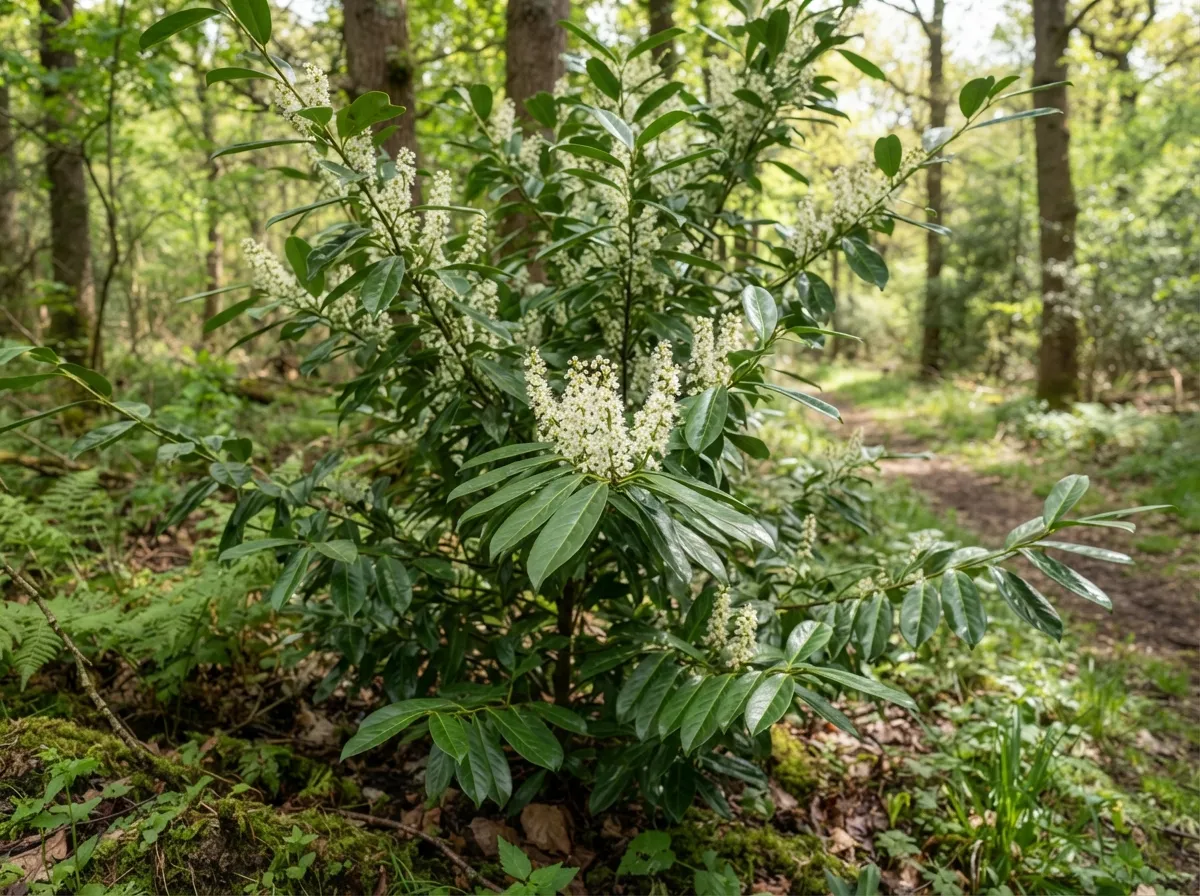
🧠 To remember it“No spice smell, keep it off the plate” — if it doesn't smell like Mediterranean cooking when crushed, it's not bay laurel.
Cherry Laurel — Prunus laurocerasus

🔍 Identify it without mistakes

Very common hedge shrub in European gardens grown for its shiny evergreen foliage, often confused by amateur cooks with culinary bay laurel — a mistake that has caused documented poisonings. Its leaves and especially its pits release hydrocyanic acid when crushed, the same toxin found in bitter almond and apricot pits.

  1. large oval, leathery, shiny leaves, WITHOUT an aromatic smell when crushed (unlike true bay laurel)
  2. small white flowers in erect spikes in spring, followed by small black cherry-like drupes
  3. faint bitter almond smell when you crush a leaf between your fingers
  4. very dense hedge, evergreen foliage all year round
Size2 to 6 m in hedges or as an unpruned shrub
FloweringApril-May, fruits July-September
Habitatwidely planted in garden hedges throughout temperate Europe, sometimes naturalized in undergrowth

⚠️ Not to be confused with

Bay laurel (edible, culinary herb) (Laurus nobilis)none for bay laurel, but confusion causes documented poisonings in amateur cooking

To tell them apart: bay laurel gives off a strong, characteristic aromatic smell when crushed (the classic seasoning scent), whereas cherry laurel only has a faint bitter almond smell; bay laurel leaves are also thinner and less shiny

☠️ What kills

nomCyanogenic glycosides (amygdalin, prunasin) that release hydrocyanic acid (cyanide) when the leaves or pits are crushed
dose letale estimeea few leaves mistakenly used as seasoning in a simmered dish, or several chewed pits, can release a dangerous amount of cyanide; the exact lethal dose varies depending on the preparation and glycoside content (approx)
delaia few minutes to an hour depending on the dose and preparation
symptomesheadaches, dizziness, nausea, shortness of breath, and in severe cases, confusion, seizures, and cardiorespiratory distress linked to cyanide poisoning
antidotespecific antidotes for cyanide poisoning (hydroxocobalamin) exist and are available in emergency hospital settings
morts documenteessevere cases documented in Europe following the accidental use of cherry laurel leaves as a culinary herb instead of bay laurel; confirmed deaths remain rare but poisoning can be severe (approx)

First steps : Call a poison control center immediately if you suspect a dish was prepared with unverified laurel leaves, especially if headaches or dizziness occur after the meal. Do not induce vomiting. Keep a sample of the leaves used in cooking.

Sources (3)

No entry replaces a certain identification in the field, or medical advice. When in doubt: don't eat it. If ingestion is suspected: poison control or 112/911.