🥕 Wild parsnip
Pastinaca sativa · Apiaceae
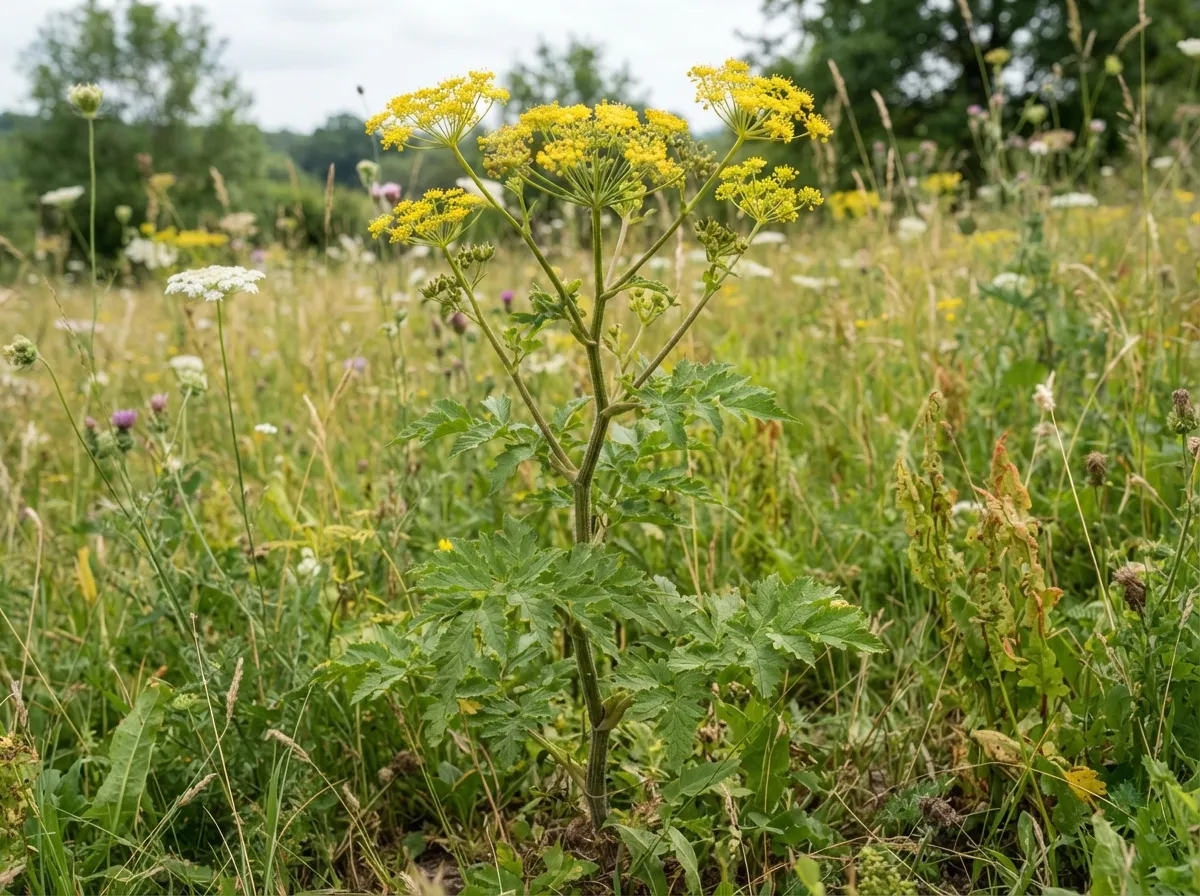
🔍 Identify it without mistakes
Wild ancestor of the cultivated parsnip, robust plant with an angular, hollow, grooved stem, compound leaves with broad, toothed leaflets arranged in pinnate form (unlike the fineness of wild carrot). YELLOW umbels (a very useful criterion, rare among mostly white European Apiaceae), fleshy and fragrant white-cream taproot.
- yellow umbels, a rare color among large European Apiaceae
- compound leaves with broad toothed leaflets arranged in pinnate form, less fine than wild carrot leaves
- angular, hollow, grooved stem
- characteristic parsnip/parsley odor when crushed
- fleshy and fragrant white-cream taproot
⚠️ Not to be confused with
To tell them apart: the yellow color of the umbel is a useful landmark but never replaces the general caution required for the entire Apiaceae family; never harvest without complete identification certainty
🍽️ Eating it
Preparation : root cooked like cultivated parsnip (roasted, mashed, in soup), smaller and more fragrant than the garden variety
💊 Healing with it
rarely used in modern herbal medicine, occasional folk uses as a mild diuretic
Level of evidence : traditional use — ethnobotanical compilations (Couplan) and ANSES sheets on photosensitizing Apiaceae
⚠️ IMPORTANT: the foliage and sap of wild parsnip contain photosensitizing furocoumarins, like hogweed — wear gloves when handling the leaves and avoid sun exposure on skin areas in contact with the sap for 24-48 hours; cooked root does not carry this risk
🪓 Other bushcraft uses
- cultivated since Roman Antiquity, it long rivaled the carrot as a staple root vegetable in Europe before the rise of the potato in the 18th century
No entry replaces a certain identification in the field, or medical advice. When in doubt: don't eat it. If ingestion is suspected: poison control or 112/911.