A child lost in the wild: what they must know, what you need to do
He is eight years old, twenty meters ahead, and has never had to choose on his own. The good news: a child who knows how to stay put almost always makes it out fine.
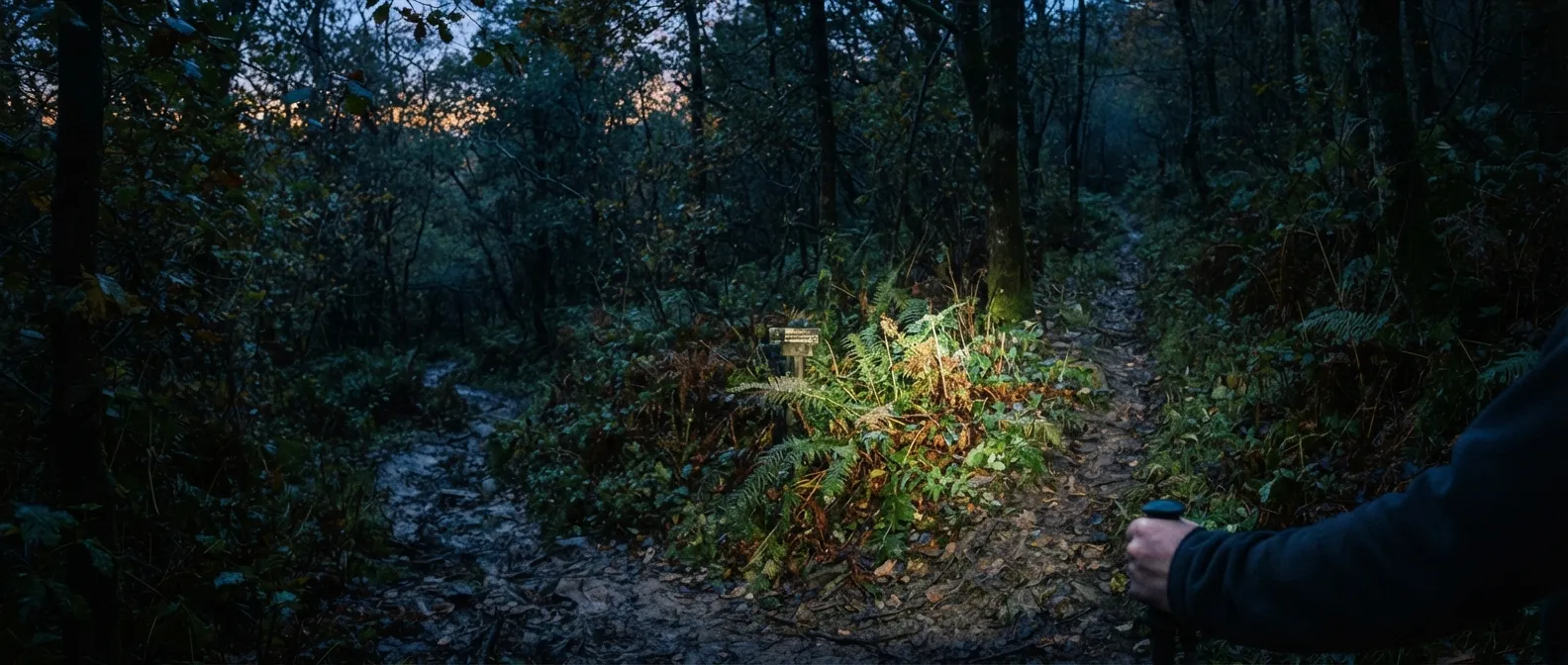
It’s 5:40 PM. You fold up the picnic blanket and count heads: someone is missing. Your son was eight years old and twenty meters ahead on the trail a minute ago; he’s still eight years old, except now you can’t see him anymore, the path forks without warning, and the light is starting to fade. The first question isn’t where to look. It’s what he is going to do, all alone, while you start running.
What search teams already know, and what you don’t yet
Since the 2000s, American researcher Robert Koester analyzed tens of thousands of search and rescue cases to write Lost Person Behavior, the industry benchmark. He categorizes lost children into precise age groups — 1-3 years, 4-6 years, 7-9 years, 10-12 years, 13-15 years — because each behaves differently: distance traveled, chosen terrain, ability to answer a call, and where they are ultimately found.
The observation shared across the entire mountain rescue community, regardless of the country: the younger the child, the less they act like a lost adult. An adult actively looks for a path, climbs toward higher ground, tries to navigate. A young child responds first to exhaustion, cold, and fear — and fear often drives them to hide rather than make themselves known. It is precisely this behavior, documented across hundreds of searches, that led North American rescue organizations to build an entire program to reverse it.
The program that changed the game: Hug-a-Tree and Survive
Created in the early 1980s by American trackers and rescuers, popularized by NASAR (National Association for Search and Rescue), and taught today in schools and scout groups across North America, Hug-a-Tree and Survive comes down to four simple rules designed for a child aged 4 to 10.
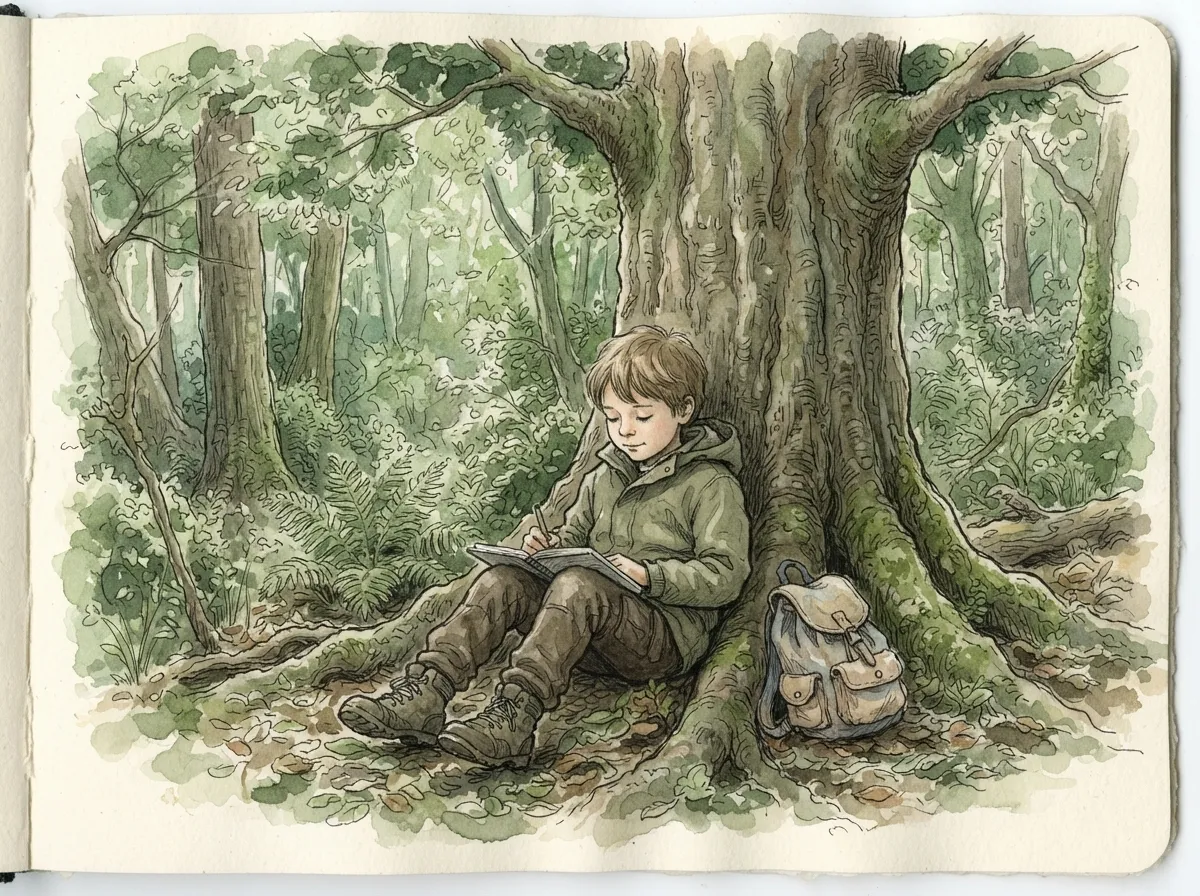
- Stop as soon as you realize you don’t know where you are. Don’t keep walking “to try and find the trail”: that’s exactly what expands the search area and slows everyone down.
- Pick a big tree or a boulder and stay next to it. “Hug a tree” — physically hug the tree: a simple, memorable image that gives a fixed anchor point and a reassuring buddy rather than an empty void.
- Make yourself noisy and visible. A whistle, a bright hood draped over a branch, shouting back loudly whenever you hear a voice, a motor, or a dog — even if the voice sounds scary.
- Never hide from rescuers, even if you did something wrong. Nobody will be angry. The only thing that matters is finding you.
Making yourself visible and noisy
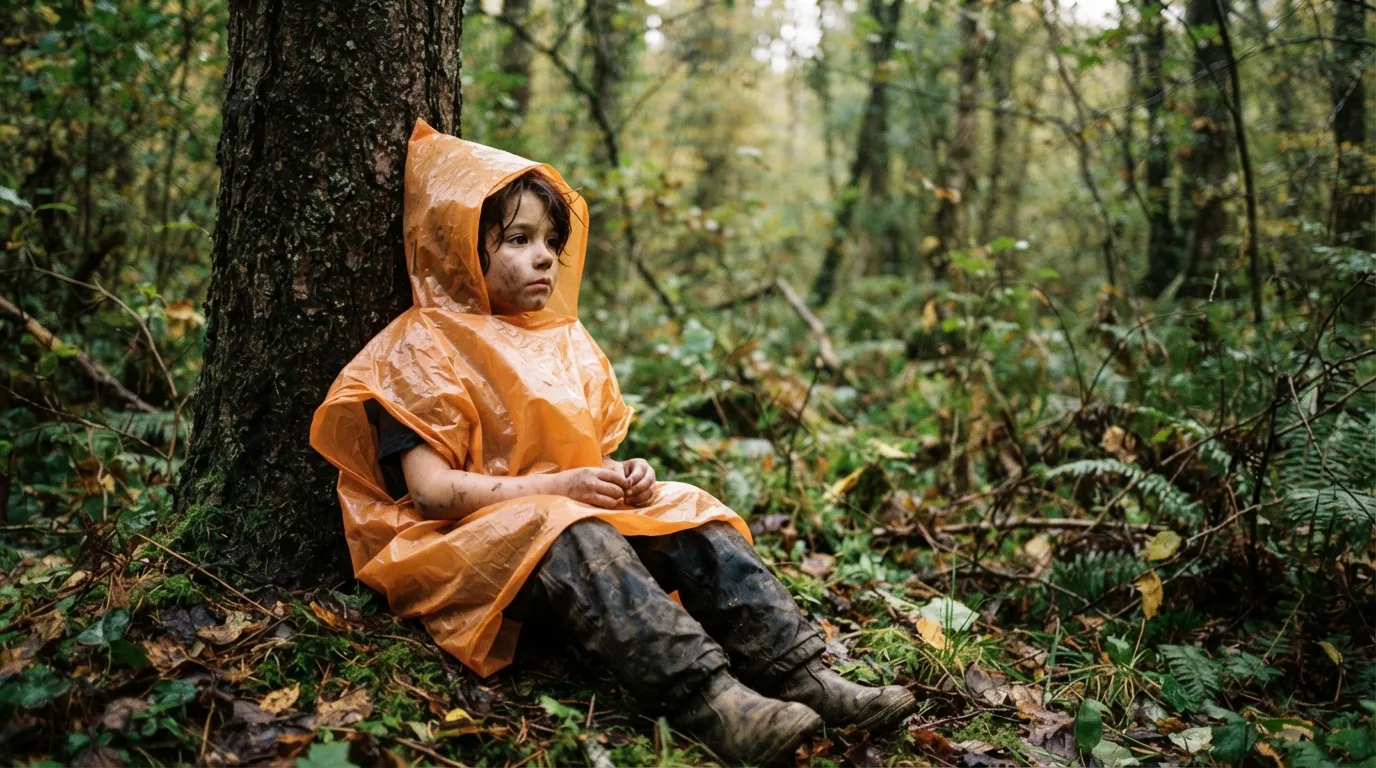
A large, heavy-duty trash bag, orange or black, folded at the bottom of the backpack: cut three holes (head, arms) and it turns into a windproof poncho in ten seconds, or an improvised sleeping bag by sliding inside up to the shoulders while sitting on dry leaves. This isn’t trivial: hypothermia, not hunger, is what kills a motionless child staying out all night. The bag cuts the wind and keeps ground moisture away from the body.
A whistle carries far better than a voice, and above all, it never gets tired: a child’s voice gets exhausted after a few minutes of screaming, while a whistle produces the exact same sound on the hundredth blow as on the first. The instruction taught to North American children is intentionally simple, designed to be remembered at age six: three sharp blasts, a pause, three sharp blasts — a rhythmic pattern that stands out from natural forest noise and catches the ear.
Preparing a child before you leave, not while they’re lost
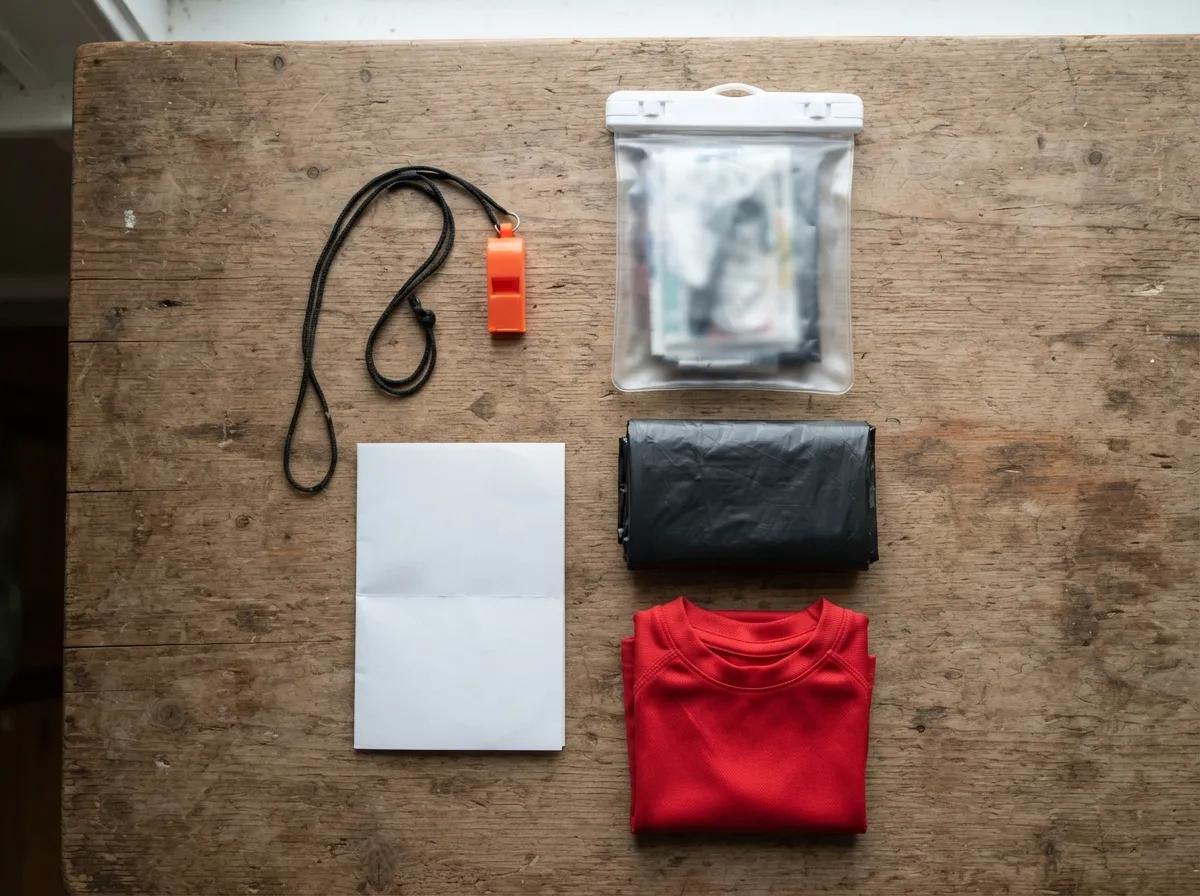
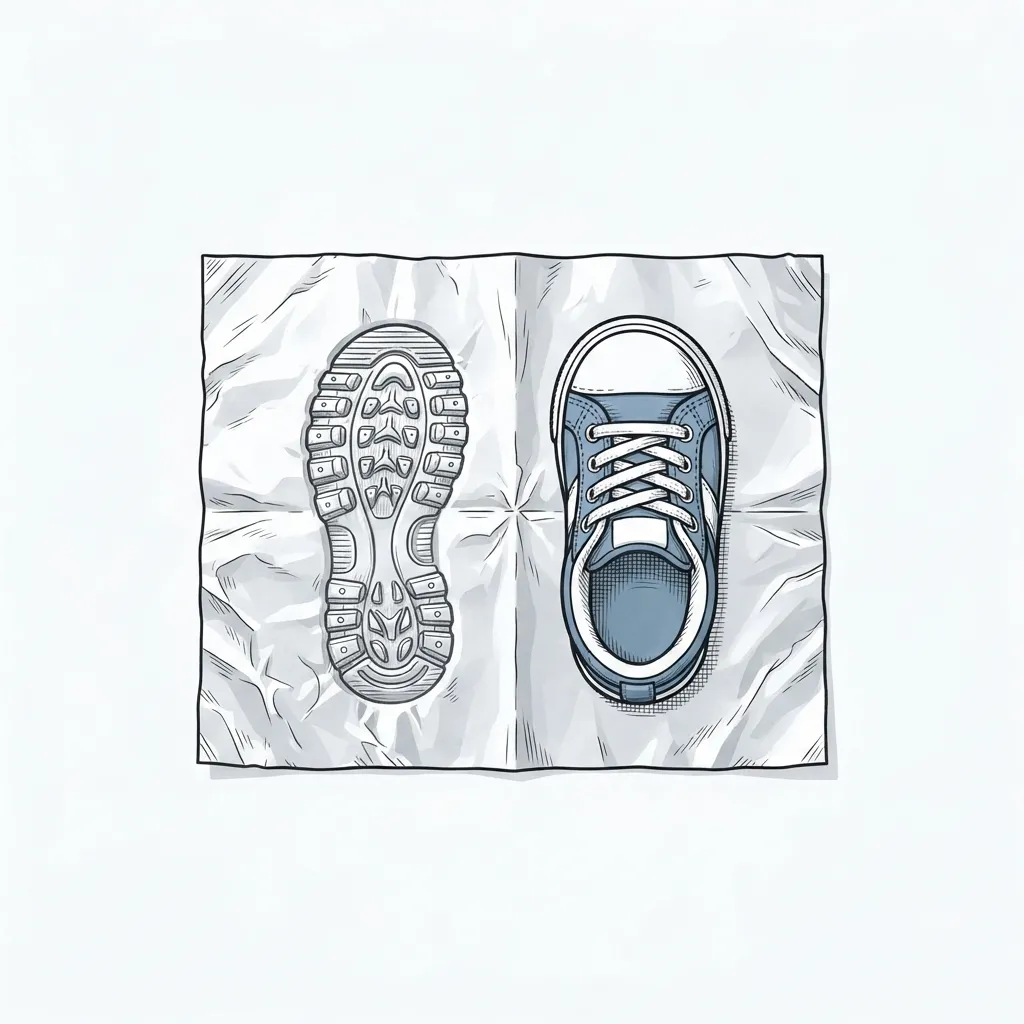
Two parent habits every morning before heading out take thirty seconds and change everything else: the photo of the day — a quick picture of your child wearing the exact clothes for that outing, invaluable for an accurate description if the worst happens — and, for younger ones, a boot footprint. Pressing the sole into a sheet of aluminum foil folded in half gives trackers an exact impression of the tread to search for on the ground, usable from the very first hour of searching.
The best training costs nothing: playing “what would you do if…”, brought up casually while walking, in a conversational tone rather than a drill. “What would you do if you couldn’t see anyone in the group anymore?” “What if you heard a dog barking far away?” A child who has already spoken the right answer out loud once during a game can retrieve it under stress. A child hearing it for the first time that day cannot.
The first thirty minutes: what you need to do as a parent
The single biggest mistake, documented in almost every search debrief, is searching alone for an hour or two before calling for help. Every minute counts double: it delays professional resources and gives a panicked child time to wander further away or cross dangerous terrain.
- Call emergency services right away as soon as you confirm they’re missing — not after circling the campsite twice. State their age, exact clothing description (use the photo of the day), and the time and location of the last known point.
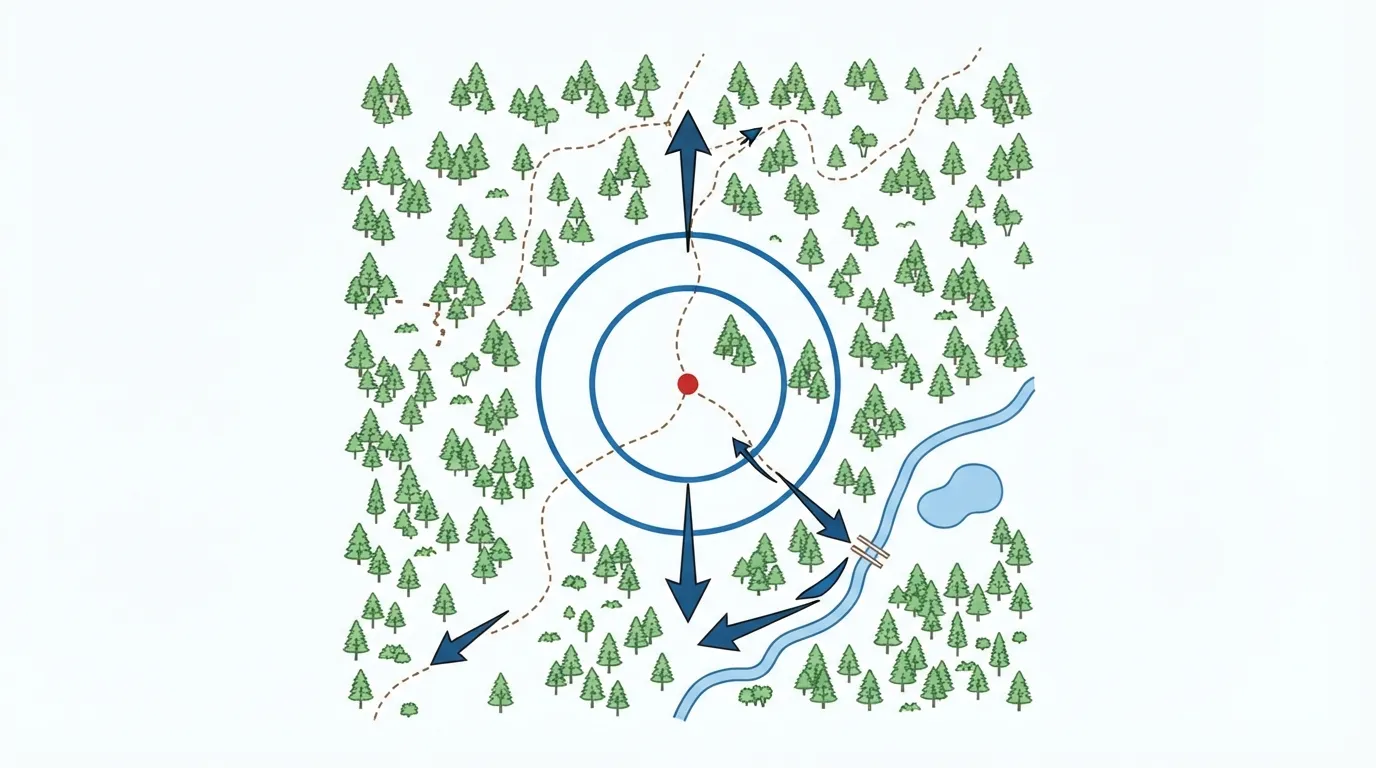
- Mentally mark the last known point and keep people off it: footprints right there are a tracker’s primary clue. Walk around it, don’t step on it.
- Call their name loudly, pausing for several seconds to give a weak response a chance to reach you. Always add a line of reassurance: “You’re not in trouble, we just want to find you” — a child worried about consequences is far more likely to shout back to those words than to their name alone.
- Search in expanding circles around the last known point rather than rushing in a straight line in a random direction — this is the exact methodology rescue teams will deploy when they arrive anyway, so you might as well start smart.
- Leave someone stationed at the last known point if there are multiple adults: a panicked child back-tracking needs to find someone right where they got lost.
How professional search operations work
In France, a disappearance in a natural area mobilizes mountain search units (PGHM) in steep terrain, or police and firefighter teams in forests and plains, following a shared protocol: a search command post centralizes information while ground crews, often paired with search dogs, systematically sweep outward from the last known point. Helicopters deploy as soon as weather and canopy permit, and thermal-camera drones have become a standard tool in recent years to cover vast areas quickly before nightfall — a stationary child on the ground emits a heat signature detectable even through light cover.
What an extreme case teaches us, and what NOT to deduce from it
On May 1, 2023, a small plane crashed in the jungle of Caquetá Department, Colombia. Out of seven passengers, four survived the impact: the Mucutuy children, aged 13, 9, 4 years, and 11 months, members of the indigenous Witoto community. Their injured mother died four days later. The four children then spent forty days alone in the Amazon jungle before being found alive on June 10, 2023, by a joint operation combining around 150 military personnel and rescuers with 200 local indigenous volunteers.
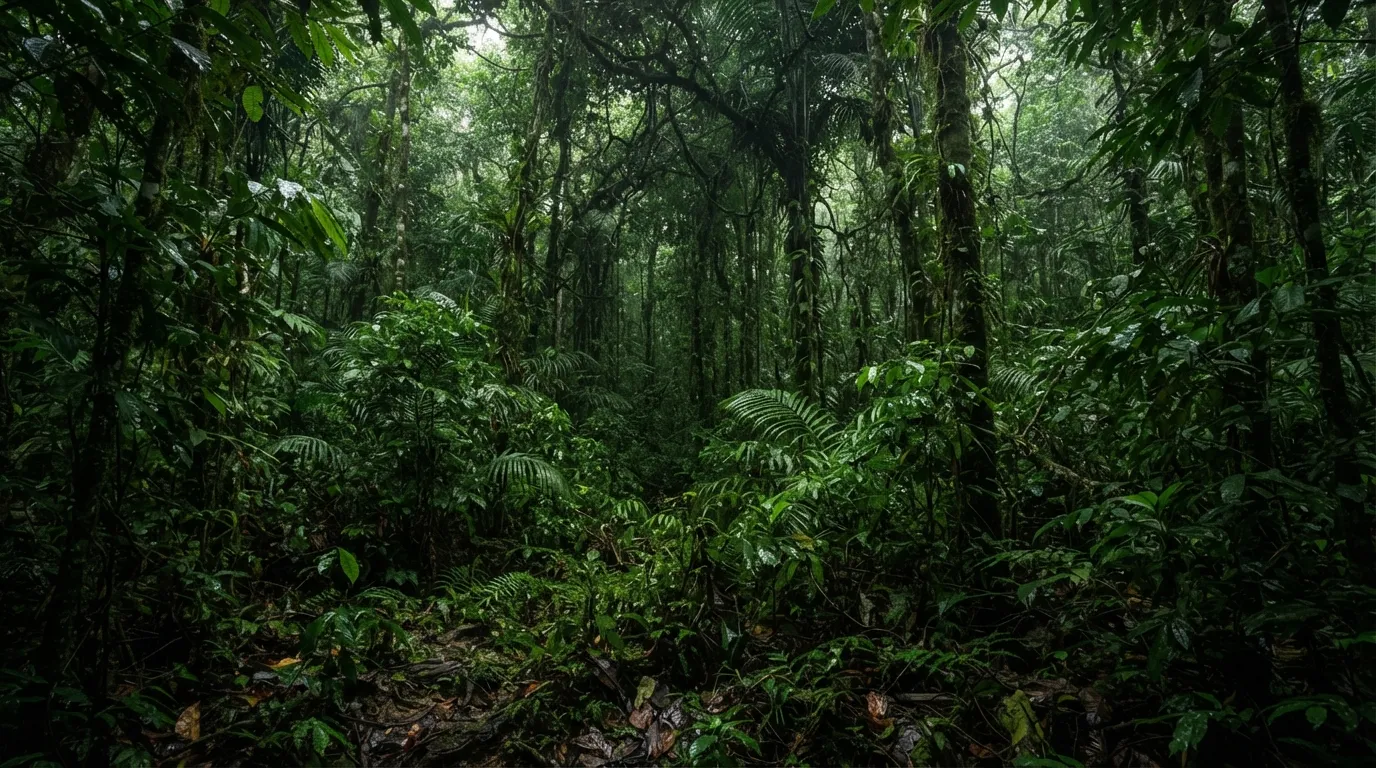
What kept them alive wasn’t a survival kit: it was ancestral knowledge, passed down by their community, about the rainforest surrounding them. They ate cassava flour salvaged from the wreckage, bacaba palm fruits, and tree seeds they knew how to identify.
Frequently asked questions
What should a child do the moment they realize they are lost?
Stop immediately, choose a clearly visible tree or boulder, and stay right there rather than continuing to walk to find the trail. They should then make themselves noisy (whistle, shouts) and visible (bright clothing), and never hide from rescuers, even if they’re afraid of getting into trouble.
Why do some children refuse to answer when their name is called?
A panicked young child often perceives an unfamiliar voice shouting in the dark as a threat rather than rescue, and may fear getting scolded for getting lost. That’s why instructions taught beforehand must include an explicit line of reassurance, like “you’re not in trouble.”
Should you call emergency services immediately or search by yourself first?
You must call emergency services (112 or local emergency number) immediately upon confirming they are missing, not after searching alone for an hour or two. Every lost minute delays professional resources (dogs, drones, helicopters) and gives the child time to wander further away or encounter hazards.
Is a lost child in real danger during their first night outside?
The main danger is almost never hunger, but cold: a stationary child loses body heat significantly faster than an adult due to a larger skin-surface-to-body-mass ratio. That’s why a simple trash bag used as an improvised windbreaker, along with taking shelter against a tree trunk instead of staying in the open, matters just as much as being found quickly.
How do you practically prepare a child before an outdoor outing?
By practicing playfully through “what would you do if…” scenarios on the way, making them wear a whistle around their neck (never packed inside the bag), and taking a quick photo of their clothes every morning. These thirty-second habits turn instructions into reflexes rather than theoretical concepts on the day they actually matter.
Does the case of the children found alive after 40 days in the Amazon prove that a child can survive alone for a long time?
No: those children possessed highly specific knowledge of their environment, passed down by their indigenous community, which a child on a regular outing does not have. The takeaway from that case isn’t to try to survive off the land, but the exact opposite: staying put and making yourself easy to find remains the safest and fastest strategy for any child.
Key takeaways
- A child who stops keeps their search area down to a circle rescuers can cover in hours; a child who keeps walking can drift out of it in an afternoon.
- The four Hug-a-Tree rules: stop, pick a fixed anchor point (the tree), make yourself noisy and visible, never hide from rescuers.
- Parents must call emergency services within the first few minutes, never after searching alone for hours — and protect footprints at the last known point.
- A whistle worn around the neck, a folded trash bag in the pack, a daily photo of their outfit: three zero-cost prep steps that change everything.
- Cold, not hunger, is the real threat on night one — and staying visible is always a better strategy than trying to survive off the land, even in legendary cases.
Going further
- Robert Koester, Lost Person Behavior: A Search and Rescue Guide on Where to Look for Land, Air and Water (dbS Productions, 2008) — the industry’s statistical reference, available on archive.org.
- NASAR (National Association for Search and Rescue), Hug-a-Tree and Survive program and resources.
- National Center for Missing & Exploited Children, guide “Is Your Child Missing?”.
Sources for this module (6)
- Robert Koester, Lost Person Behavior: A Search and Rescue Guide (dbS Productions, 2008)
- NASAR — Hug-a-Tree and Survive, vidéo formateur (Winnipeg Search and Rescue Volunteer Association)
- National Center for Missing & Exploited Children — Is Your Child Missing?
- Wikipédia — Unités de montagne de la Gendarmerie nationale (PGHM)
- Wikipedia — 2023 Caquetá Cessna Stationair crash
- Wikipedia — Alpine distress signal
Continue in "Critical situations"
Avalanche: the 15 minutes that decide
A slab breaks loose under your skis, you have fifteen minutes before the stats turn against you: what you need to know instinctively, the night before heading out.
Lightning: When the Sky Targets You
In 3 seconds, a lightning bolt heats the air to 30,000 kelvins and kills 10% of those it strikes: here is what is at stake before you count to thirty.
Flash Flood: Water Arriving Faster Than You
It isn't raining where you are, the creek has been dry all morning, yet you have less time than you think before a wall of water rushes down the valley.