Juliane Koepcke: 11 Days Alone in the Jungle After the Crash
Seventeen years old, alone after falling three kilometers into the Amazon jungle, she followed a single rule: walk toward water.
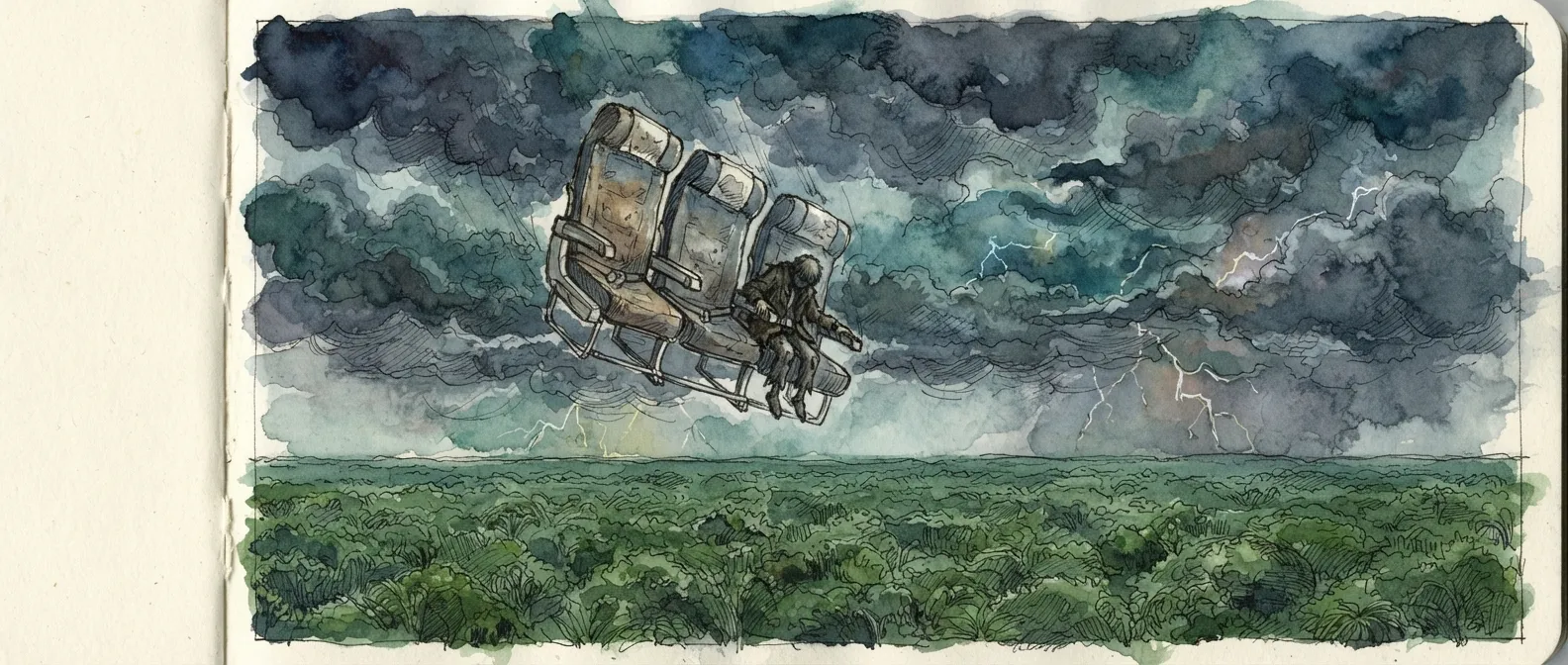
It is just past noon on December 24, 1971, when LANSA Flight 508 takes off from Lima for Pucallpa with ninety-two people on board, including seventeen-year-old Juliane Koepcke, seated by the window next to her mother Maria. Barely an hour’s flight, just enough time to rejoin her father and husband, a biologist, at the research station the family founded in the middle of the Peruvian Amazon. The plane enters a violent thunderstorm. Turbulence turns into sudden drops, objects fly through the cabin, her mother whispers that it’s over. Lightning strikes the right wing. The aircraft disintegrates in mid-air, more than six kilometers high. Juliane feels her seat detach beneath her, then there is void, wind, and nothing else.
What happened
December 24, 1971, around 11:00 a.m. LANSA Flight 508, a Lockheed Electra, takes off from Lima for Pucallpa in eastern Peru. Ninety-two people are on board, passengers and crew. After about forty minutes of flight, the aircraft passes through a violent tropical storm. Lightning hits the right wing; the plane breaks apart mid-flight at cruising altitude, over 6,000 meters up.
Juliane Koepcke, still strapped to her row of three seats that broke away from the fuselage, falls approximately 3,000 meters. She is the sole long-term survivor among the 92 occupants—up to 14 other passengers initially survived the crash before dying in the following days due to lack of rescue.
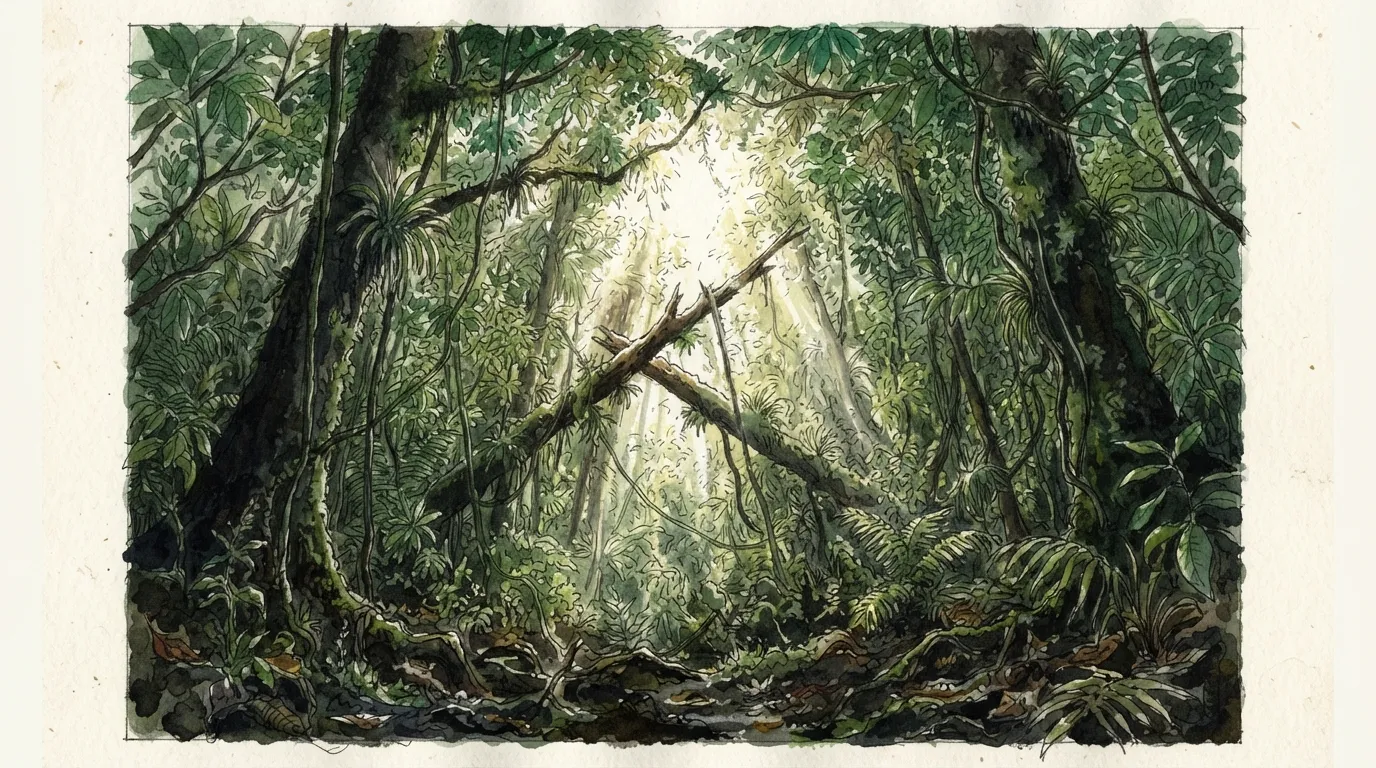
She regains consciousness alone the next day on the floor of the Amazon rainforest, dazed, with a broken collarbone, a deep gash on her right arm, a swollen eye, and an injured knee. Her mother is not with her: Maria Koepcke, an ornithologist by profession, also survived the initial impact but succumbed to her injuries several days later somewhere else in the forest—her body was only found weeks later, and it was her own husband’s expertise on decomposition in tropical forests that helped estimate she held out until around January 6 or 7.
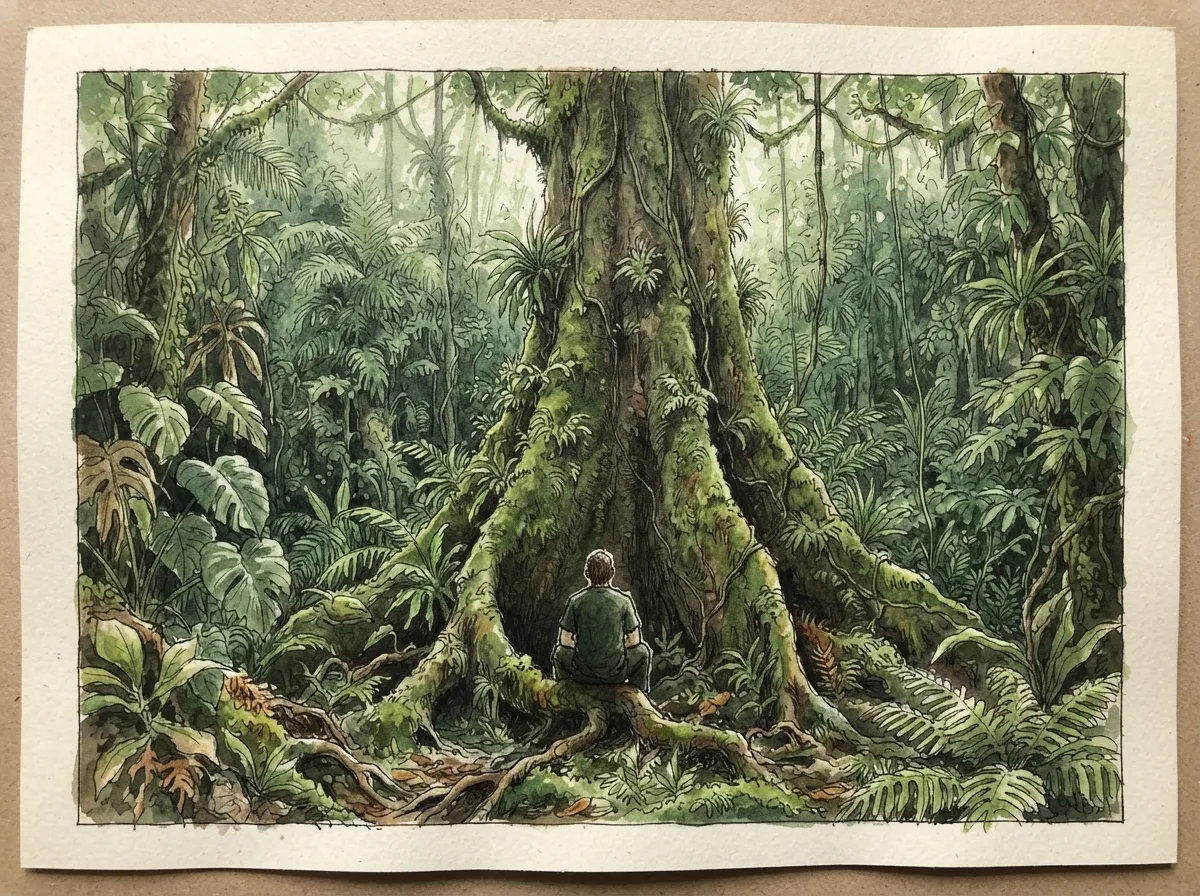
Days 1 to 9. Juliane first searches for other survivors around her landing site, without success, then remembers a rule her father, a biologist, had repeated to her since childhood in this very environment: if you lose your bearings in the forest, find a trickle of running water and follow it downstream—water always leads down to inhabited areas. She locates a small stream, follows it until it grows into a river, and walks directly in the riverbed as much as possible, barefoot after losing a sandal, saving her energy rather than hacking a path through the dense vegetation. She drinks only this running water, avoids fruits she doesn’t recognize, and passes caimans in the water several times without any of them attacking her. Her arm wound, left exposed to the constant humidity, becomes infested with fly maggots.
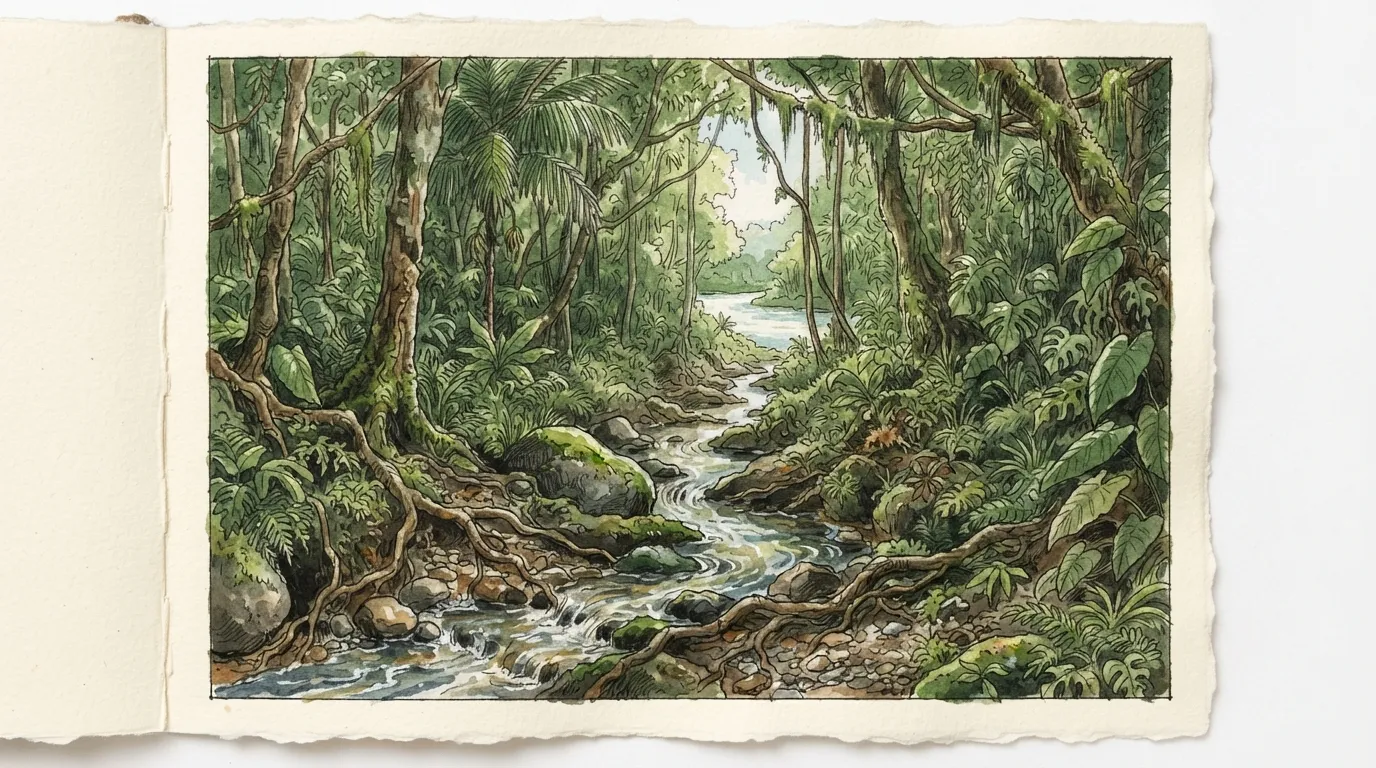
Day 9, around New Year’s Day. She reaches an abandoned hut by the river, with a boat and an outboard motor. She takes shelter there for the night and, remembering another piece of advice from her father regarding fuels, pours gasoline found on site into her infested wound: the painful move forces out a large portion of the maggots.
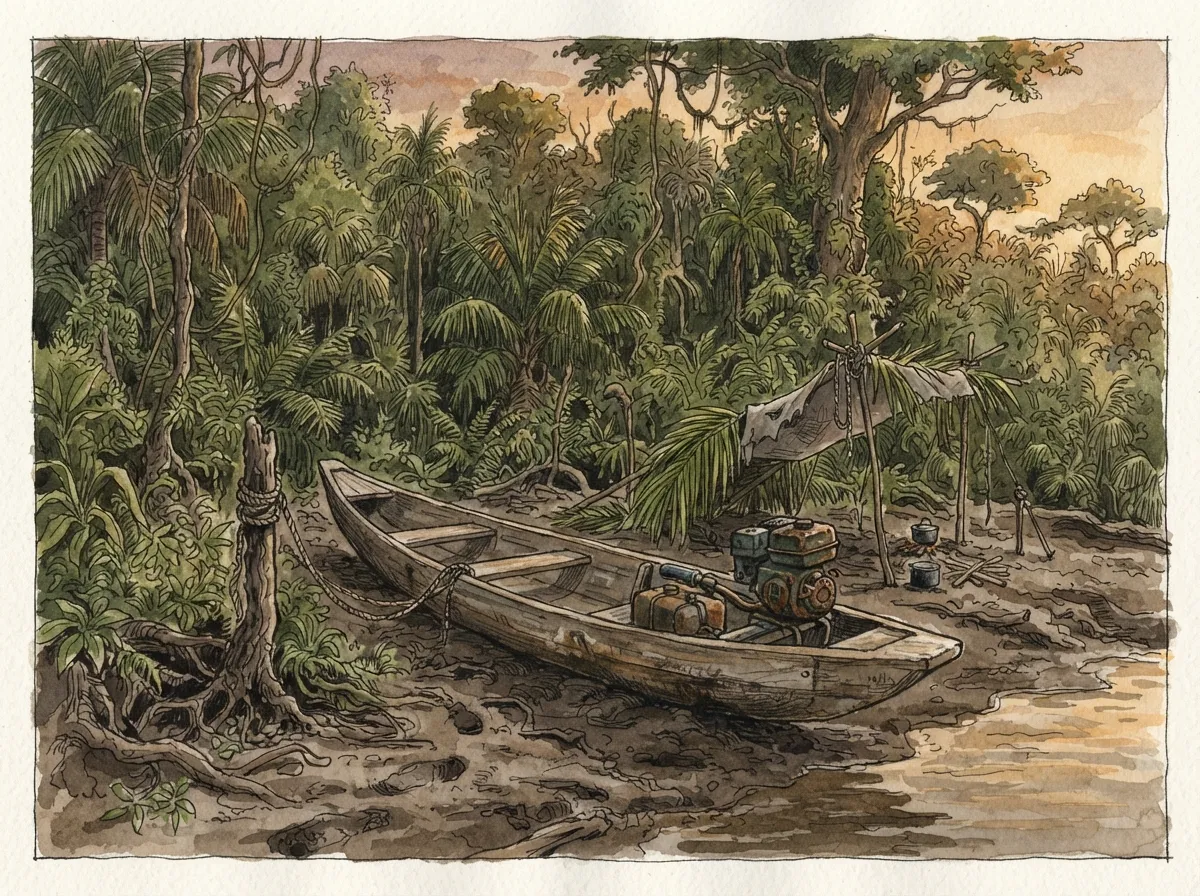
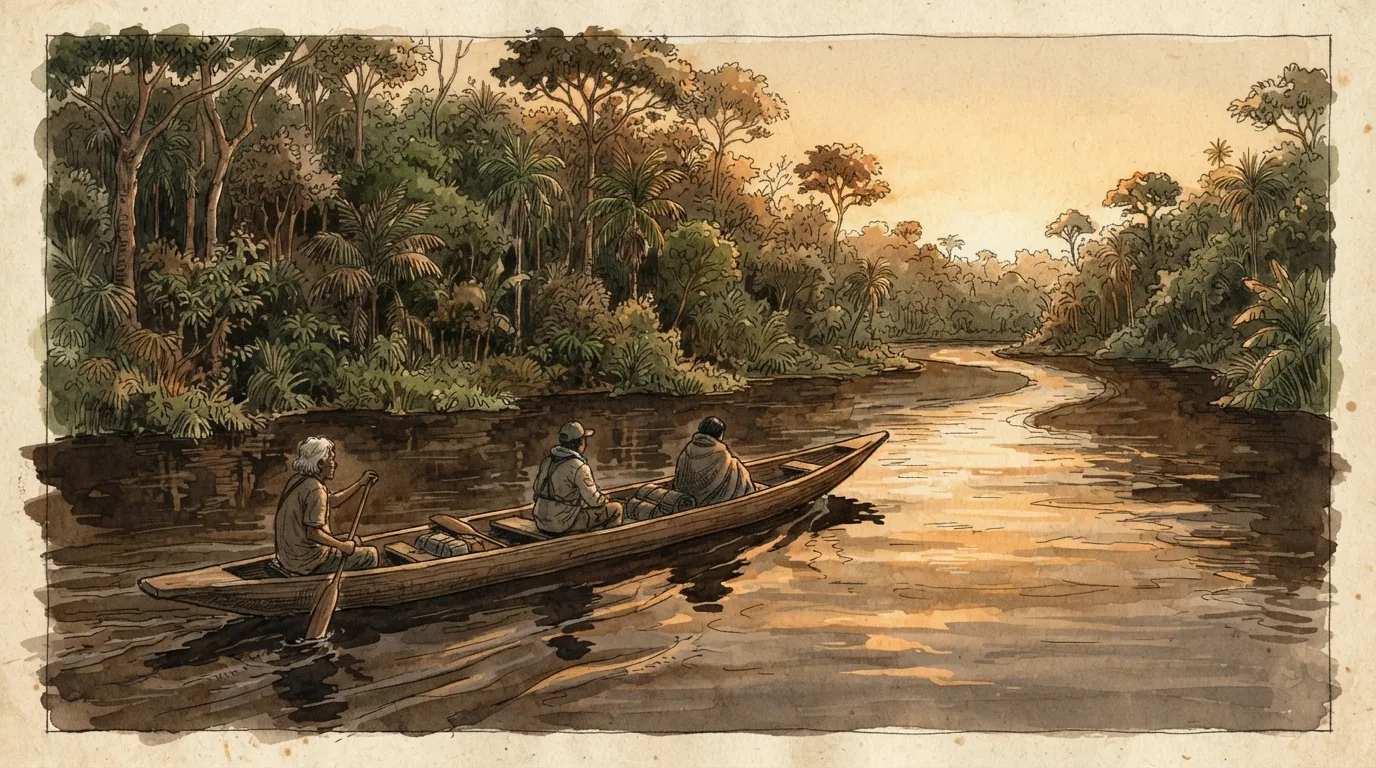
Day 10. Peruvian lumberjacks using the hut as a base discover her, clean and dress her wound more thoroughly, and transport her by boat for several hours to a more populated area.
Day 11, around January 3, 1972. She is airlifted to the hospital in Pucallpa, where her father—who had been participating in the search from the start—reunites with her.
What she did
Juliane Koepcke was seventeen years old, alone, injured, and had just survived something almost nobody survives. What she did in the following days relies heavily on a very specific upbringing, spent in the field alongside her biologist parents.
Not wandering randomly. Many people lost in the forest walk in circles, exhausting their strength trying to find a direction instead of picking one and sticking to it. Koepcke had a single rule, learned as a child at her family’s research station: running water always flows downstream, and downstream leads, sooner or later, to human settlement.
Conserving energy rather than pushing through. Walking in a riverbed, feet in the water, is slower than cutting through vegetation—but dense jungle exhausts an injured, malnourished person in just a few hundred meters. She chose the safest, most energy-efficient route, not the most direct one.
Accepting a calculated risk over standing still. She knew, from her father, that the region is home to caimans and that the water itself carries dangers. She chose to keep moving anyway, staying alert, because staying still in a jungle where no one could reasonably expect to locate her was, in fact, the greater risk of the two.
Treating the wound with whatever was at hand. An open gash, constantly wet, quickly gets infected in the tropics and attracts flies that lay eggs in it. Without antiseptics, pouring fuel into the wound to drive out maggots is a crude, painful action, but in her specific case, it likely contained an infection that could have proven fatal before she reached help.
Keeping moving instead of waiting on-site. This choice goes against the typical advice taught after an accident: stay put if someone knows your itinerary. But a plane that disintegrated mid-air during a storm over featureless Amazon rainforest leaves no reliable target area for rescue teams to search. Moving toward water was, in this specific case, the rational choice.
Keeping a simple mental focus. She later described focusing on very short-term goals—reaching the next river bend, hanging on until sunset—rather than dwelling on the overwhelming scope of her isolation.
What saved her
Her father’s rule, learned in the field
Following water downstream isn’t an instinct: it’s a precise principle her biologist father taught her years earlier in that very environment. See the guide on rivers.
A mindset that breaks the ordeal into pieces
Seventeen years old, alone, injured, not knowing if anyone is searching in the right place: enduring eleven days in these conditions comes down to the ability to avoid being overwhelmed by the scale of the situation. See the guide on mindset.
Immediate treatment of a wound, even a crude one
Without addressing the maggot infestation, the wound would have continued to worsen long before she reached help. A makeshift move at the right moment was enough to limit the damage. See the guide on solo self-rescue.
Caution with water and food
Drinking only running water and avoiding unknown fruits despite hunger: simple rules that prevented adding poisoning or dehydrating diarrhea to an already critical situation. See the guide on water.
Genuine familiarity with the jungle
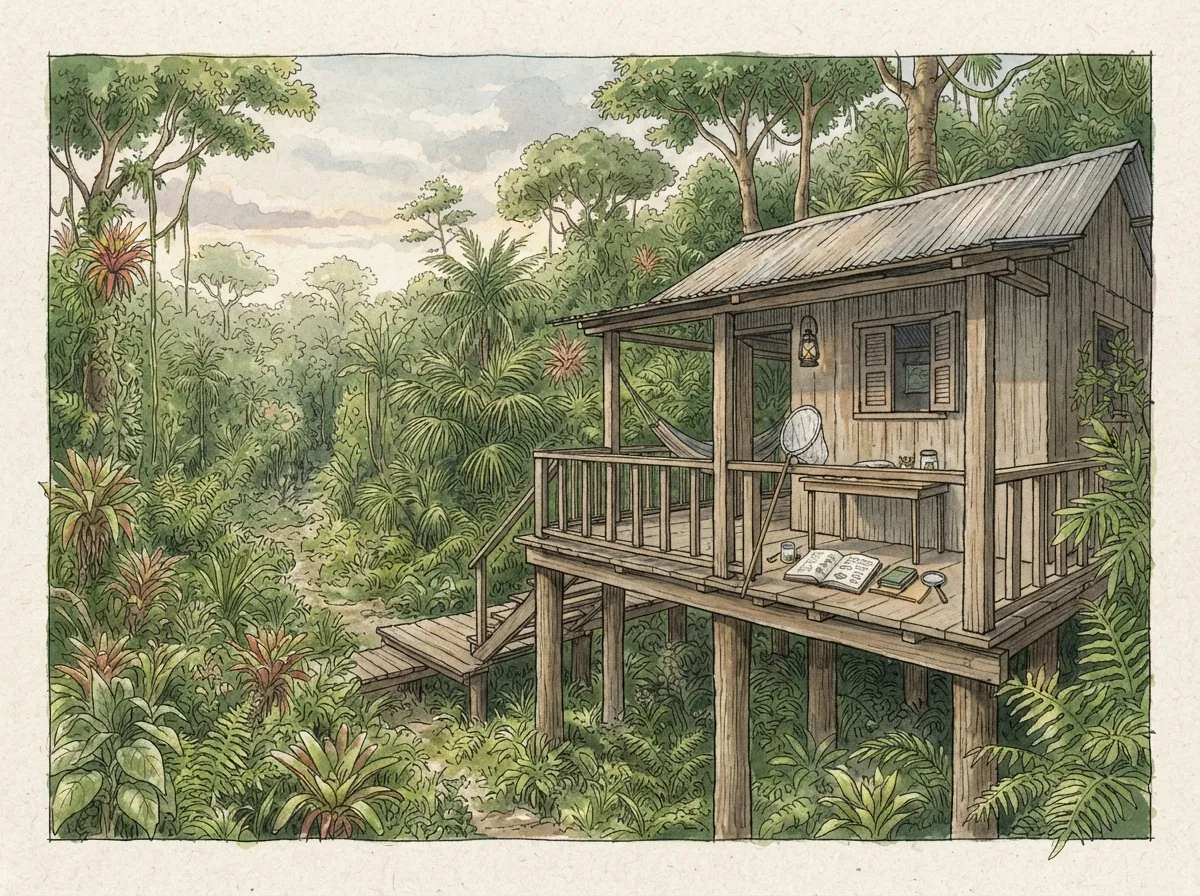
Growing up partly at an Amazonian research station gave her a working knowledge of this environment that ordinary hikers lack—knowing what is dangerous and what isn’t transforms every decision made along the way. See the guide on the jungle.
Lessons learned
1. When all landmarks are gone, running water is the most reliable guide to people. It isn’t a universal rule—topography can create exceptions—but in the vast majority of terrains, it is the strategy most likely to work, because human settlements are almost always built along waterways.
2. An open wound in a hot, humid climate won’t wait for rescue to get infected. What Koepcke did with the items at hand isn’t a technique to copy blindly—pouring fuel into a wound carries a real cost—but the core principle behind it, acting immediately rather than waiting for hypothetical help, holds true whenever an infection spreads faster than rescue can arrive.
3. The right decision depends on what rescuers can actually know. Staying put makes sense when someone knows the area to search. Moving makes sense when nobody can structurally know it—such as after an aircraft disintegrates in mid-air over a featureless forest. The right response is never fixed: it depends on what those who might come to help actually know or don’t know.
Frequently asked questions
Was Juliane Koepcke the only survivor of the crash?
Yes, long-term: of the 92 people aboard LANSA Flight 508, she is the only one who reached rescue alive. Up to 14 other passengers reportedly survived the initial impact, but died in the following days before they could be found in time.
How did she survive a 3,000-meter fall?
She remained strapped to her row of three seats, which separated from the aircraft mid-air and likely auto-rotated, slowing her fall much like a rotor would. An updraft from the storm and the thick canopy of the Amazon rainforest, which cushioned the final impact, likely completed this partial protection.
Why did she follow the river instead of staying put?
Her biologist father had taught her that in the forest, following a body of water downstream almost always leads to populated areas. Staying still made little sense anyway: the crash zone, amid a storm and with no locator beacon, offered search teams no reliable reference points.
What happened to her maggot-infested wound?
A gash on her right arm, left exposed to the jungle humidity, became infested with fly maggots. On the ninth day, inside an abandoned hut, she poured gasoline found near an outboard motor into the wound, forcing out most of the maggots before she could receive proper medical care.
What happened to her after her rescue?
She resumed her studies, became a biologist specializing in bats like her father, and today directs the Panguana research station in the Peruvian Amazon founded by her parents—the very destination she was flying to on the day of the crash.
To go further
- Juliane Koepcke, Als ich vom Himmel fiel (When I Fell From the Sky, 2011)—her own account, written nearly forty years after the events.
- Wings of Hope (1998), a documentary by Werner Herzog, who accompanies her back to the crash site—Herzog himself had nearly boarded the same flight to scout filming locations.
- The numerous interviews she gave over the decades, reflecting on those eleven days and how they shaped her life as a researcher.
Sources for this module (6)
- Wikipédia EN — Juliane Koepcke
- Wikipédia FR — Juliane Koepcke
- Wikipédia DE — Juliane Koepcke
- Wikipédia EN — LANSA Flight 508
- Juliane Koepcke, Als ich vom Himmel fiel (When I Fell From the Sky), 2011
- Werner Herzog, Wings of Hope (documentaire, 1998)
Continue in "Survivor stories"
Aron Ralston: 127 hours trapped in a canyon
An arm trapped under a boulder, five days without rescue, and a decision no manual teaches: cutting oneself to live.
Steven Callahan: 76 days adrift on a raft
A crash in the night, a sailboat sinking in a matter of minutes, and 76 days on a tiny raft reinventing survival.
José Salvador Alvarenga: 438 Days in the Pacific
Out fishing for two days, he drifted for 438 days across the Pacific, alone after the death of his crewmate.