Mauro Prosperi: lost for 10 days in the Sahara during the Marathon des Sables
In 1994, an Italian police officer got lost in a sandstorm during the Marathon des Sables and walked 291 km across the Sahara, without water.
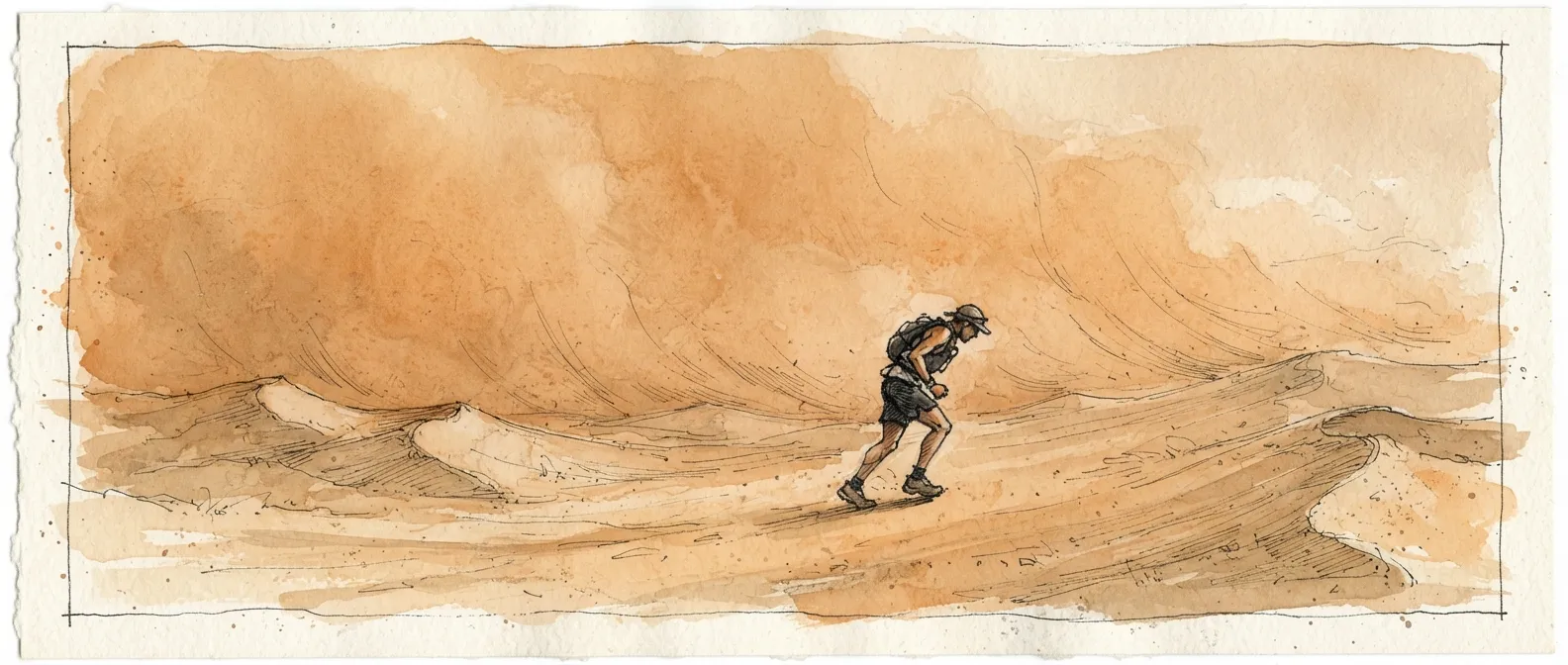
It is just past 2:00 PM on April 14, 1994, during the fourth stage of the Marathon des Sables. Mauro Prosperi has just left his friend Giovanni Manzo behind and is climbing up the rankings, fourth, soon seventh. The sun bakes at 46 °C. In front of him, the sand starts to ripple, then run, like a beast waking up. In a matter of minutes, the world turns yellow, opaque, roaring: he can’t even see his own hands. He keeps running anyway, convinced he can still spot the trail. Eight hours later, the wind dies down. The silence that follows is worse than the noise: not a marker left, not a footprint, no one. Prosperi climbs a dune to look for the other runners. He sees nothing but sand, 360 degrees around, all the way to the horizon.
What happened
Mauro Prosperi, a 38-year-old Italian police officer and former Olympic pentathlete (Los Angeles 1984), set off on April 10, 1994, from Foum Zguid in Morocco for his first Marathon des Sables: about 250 km across the Sahara, completely self-sufficient for food, with water supplied only at checkpoints. For the first three days, he covered 96 km alongside Manzo over salt, rock, and dunes. On April 14, during the fourth and longest stage of the race (over 85 km), he pulled ahead—right up until the storm hit.
Depending on the account, it lasted between seven and eight hours: Prosperi himself recalls that remembering such a day “is not a matter of a stopwatch.” What is certain is that when he emerged from the storm, all landmarks—markers, tracks from runners ahead, even the landscape itself—had vanished. That evening, a Moroccan police helicopter, loaned to the race organizers, flew low overhead: Prosperi fired his distress flare, waved the Italian flag from his pack, and shouted random names. The pilot didn’t see him—the pen-sized flare was too dim in the harsh desert sun. The following year, the organization would equip runners with 500 g maritime-grade flares.
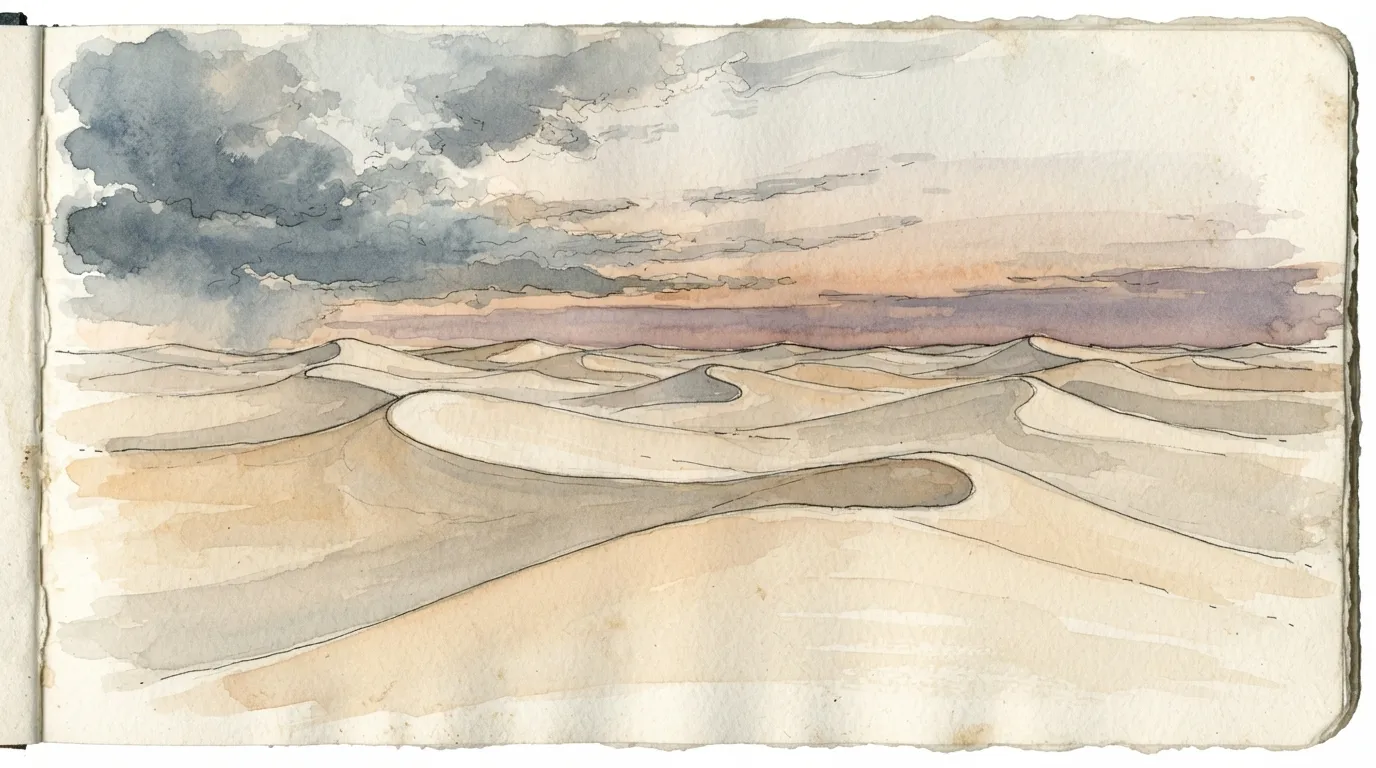
The next day, Prosperi ran for another four hours hoping to cross paths with the race again, before realizing from the top of a dune that no one was around. His water supply was running dangerously low. Remembering a story told by his grandfather, a World War I veteran, he urinated into an empty bottle—“it was clear like water,” he would later say. On the second day, he stumbled upon an abandoned marabout, an isolated Muslim shrine where nomads stop: inside was a mummified holy man in a sarcophagus, and nothing else.
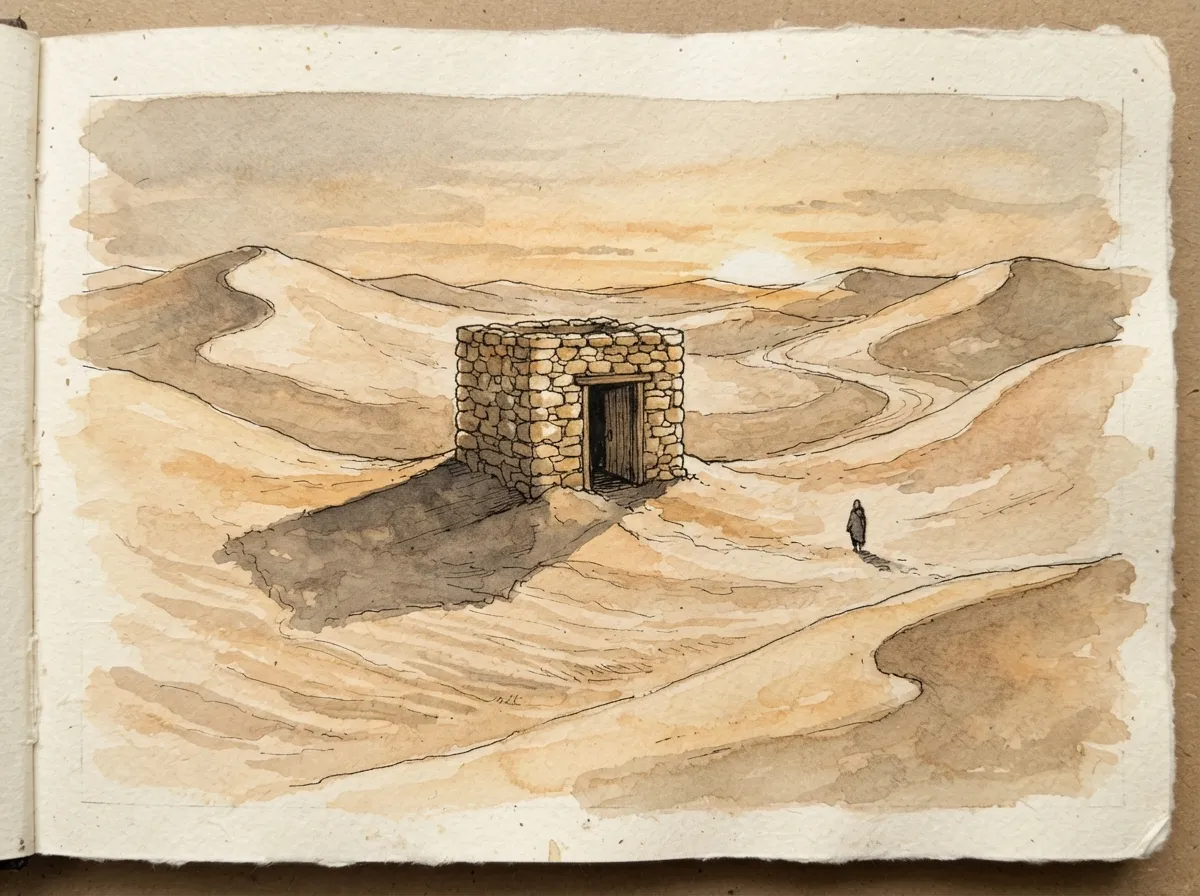
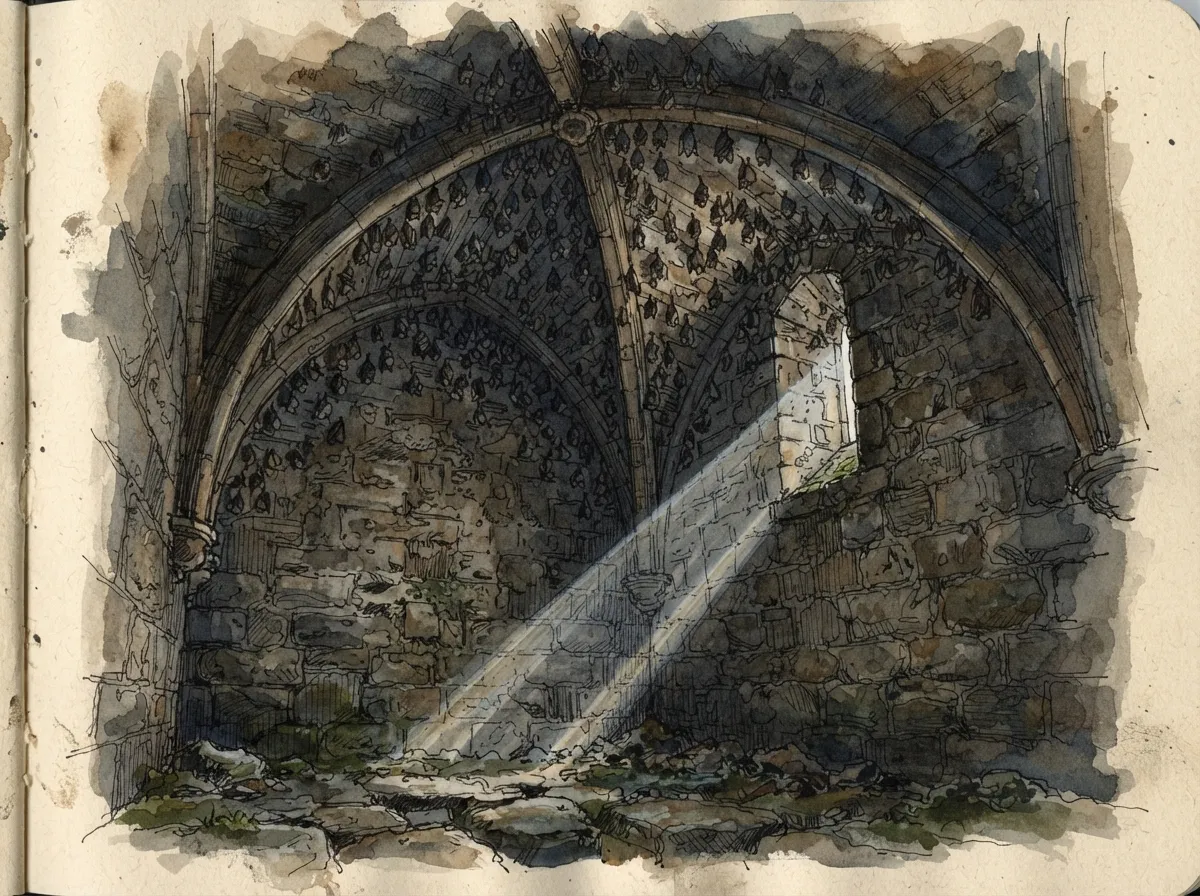
He settled in. He hoisted the small Italian flag from his pack onto the roof—just in case someone came looking, or so his body could be found. Inside the tower lived a colony of bats: he caught about twenty of them by hand, cut their heads off with his knife, and drank their blood before eating their raw innards. “That way, I was eating and drinking at the same time,” he explained. He supplemented this with bird eggs, beetles, lizards—cooked to extract their moisture—and his emergency rations, which he heated up using urine rather than his remaining drop of water.
On the fourth day of his disappearance, a plane flew over the area. He carved a massive SOS into the sand and set fire to his backpack and sleeping bag to create smoke. Just as the fire caught, another storm blew in, lasting twelve hours and blowing away all hope. Prosperi wrote a farewell note using charcoal. Convincing himself that his body would never be found if he kept walking—and knowing that in Italy, without a body, a family must wait ten years before a missing person is declared dead and the police pension released—he slashed his wrists with his pocketknife and lay down to wait for death.
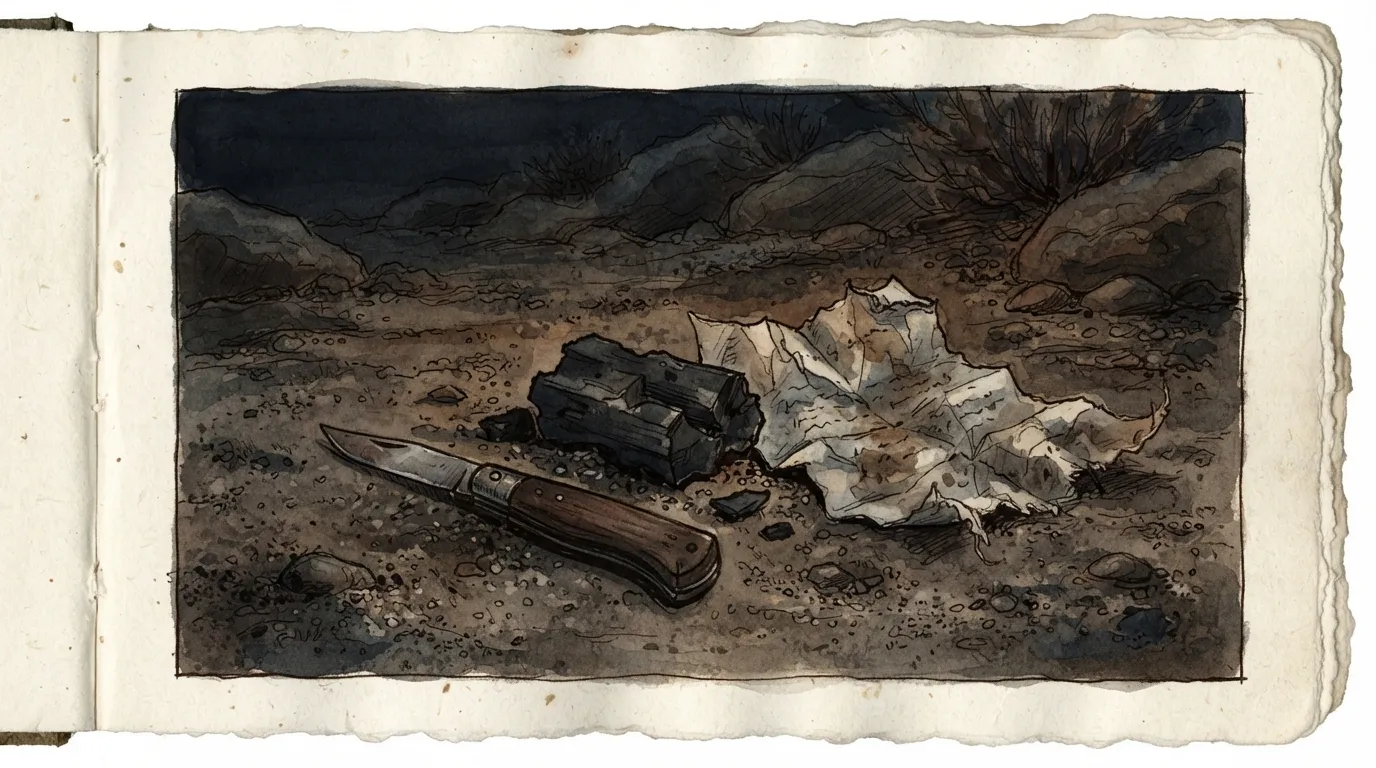
By morning, hardly any blood had spilled: he was so severely dehydrated that it had clotted almost instantly. Prosperi got back up, decided that “his time had not yet come,” and set off again. For the next six days, he walked only during the cooler hours, sought shade under overhangs or trees, buried himself in the sand at night to retain heat, and ate mice, snakes, large ants, and chewed leaves. Around the eighth day, he reached a puddle at the bottom of an oasis; his throat, swollen shut from dehydration, initially rejected the water, which he vomited before finally keeping some down.
Shortly after, he spotted fresh goat droppings, then human footprints, and finally a young Berber girl herding a flock 200 meters away. He ran toward her shouting: terrified by what she saw—a walking skeleton, as he would later discover looking at his own signal mirror—she ran off.
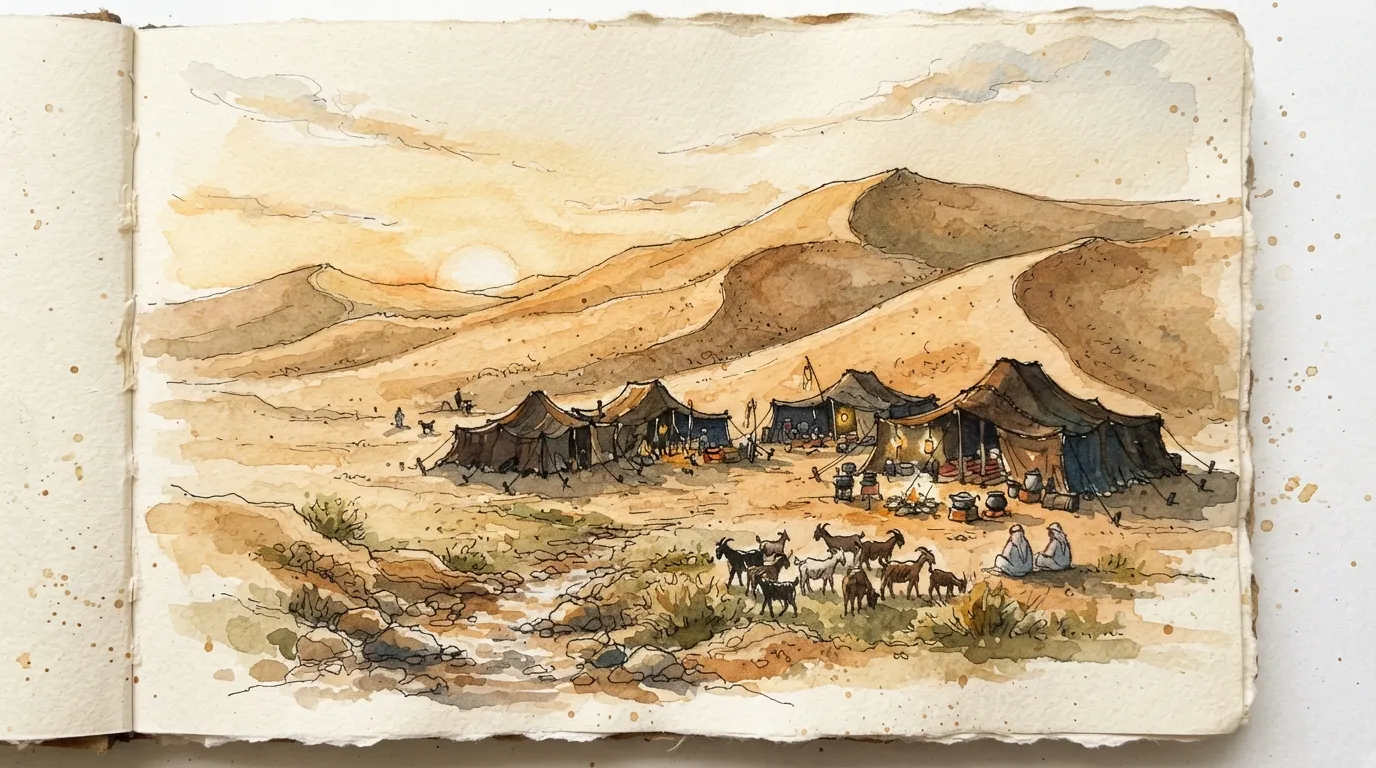
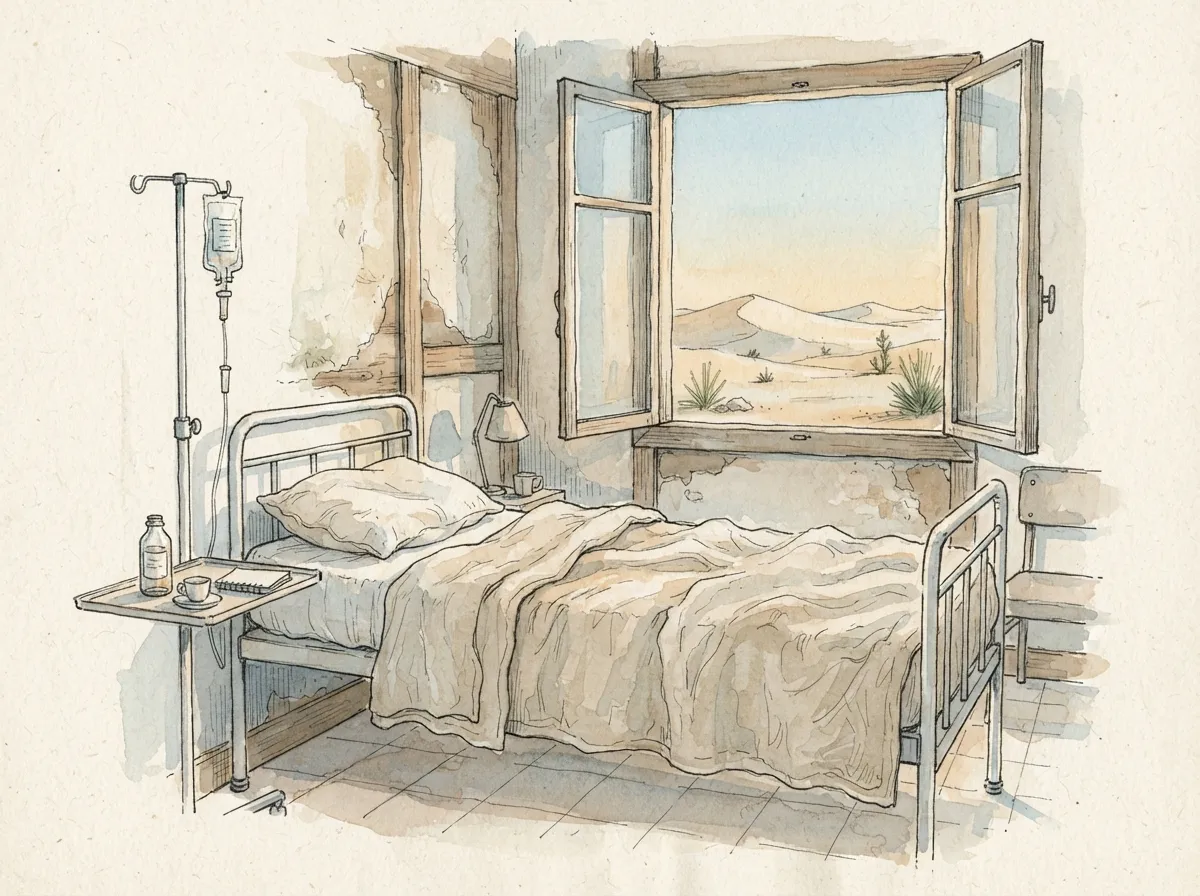
She returned with her grandmother, who took him back to their camp. They gave him goat’s milk, which he threw up immediately; they loaded him onto a camel to reach the nearest village. There, a military patrol blindfolded him, suspecting him of being a spy, before identifying him and transferring him to the hospital in Tindouf. Tindouf is in Algeria: by unknowingly crossing the Jbel Bani mountain range and then the border, Prosperi had veered roughly 291 km—nearly 300 km—off the official Moroccan race trail, through a area littered with landmines along the border.
In total, he was lost for about nine and a half days—rounded up to ten in the title of his own book. Doctors recorded a 15 kg weight loss, a final weight of 43 kg, 16 liters of IV fluids required, liver damage that forced him to eat only soups for months, leg cramps for a year, and lasting kidney issues. It took him nearly two years to recover completely.
What he did right (and wrong)
It wasn’t a seamless string of perfect instincts, and Prosperi admits this himself with a frankness rarely seen in survivors: his very first mistake was continuing to run through the sandstorm. He stated plainly in 1998: “I didn’t want to lose my position.” In the middle of a sandstorm, with landmarks already fading fast, his competitive urge—holding onto his rank instead of stopping—drove him far deeper into trouble than the storm alone ever could have. It’s a deeply human bias, the drive to finish what you started rather than re-evaluate the situation: the exact same mechanism that keeps an exhausted hiker pushing forward “because there’s not much left to go.”
After that, he followed the rule laid out in the race briefing—stay put and wait for rescue—as long as it made sense: that’s what allowed him to spot the helicopter passing by on the first evening. But once that opportunity slipped away, he switched tactics, actively hunting for shade and water rather than sitting motionless under a 46 °C sun. This was the right call, and the reason is physiological: staying stationary without sun protection in the open desert sets you up for heatstroke, which can kill in hours. That danger is far more immediate than the risk of missing rescuers who, in any case, were searching the official trail and not the remote area the wind had pushed him to.
Drinking his urine, on the other hand, was more symbolic than effective—and Prosperi himself describes it as a mental gamble as much as a physical one. Urine is mostly water, but it’s packed with nitrogenous waste the kidneys just filtered out: drinking it forces your body to reprocess fluid that is already more concentrated than your blood, accelerating dehydration as successive urine becomes increasingly toxic. Military survival manuals (including the US FM 21-76) explicitly advise against it for this exact reason. The fact that Prosperi survived doesn’t validate the tactic: it simply proves that a bit of dirty fluid is briefly better than nothing over a short window, not that it’s a sound strategy.
His suicide attempt is the darkest moment of the story, born out of cold calculation as much as pure despair: finding a body guarantees a pension for the family, whereas a missing person without a body leaves them waiting ten years under Italian law. What saved him from his own hand wasn’t a sudden burst of willpower, but a purely physiological reality: at that level of extreme dehydration, your blood thickens and clots so rapidly that shallow cuts seal up before fatal blood loss can occur. Prosperi drew a renewed sense of purpose from surviving it—but it was biology, not psychology, that kept him alive that night.
What saved him
The marabout: shelter where he least expected it
Once he was protected from direct sunlight, the challenge shifted from surviving immediate heat stroke to holding out until the next landmark. A roof, even a tiny one shared with a mummy, completely changes the survival math in the desert. See the guide on shelters.
Heat management, once the lesson was learned
Walking during cool hours, burying himself in sand at night, seeking shade at midday: these three habits, adopted after leaving the shrine, are taught by every desert survival school. They are precisely what minimized his water loss over the final six days. See the guide on desert survival.
Peak athletic conditioning: a double-edged sword
The stamina built over twenty years of elite pentathlon training allowed his body to withstand physical stress that few people could survive. Yet Prosperi admits it himself: that very same competitive mindset, trained to push forward without looking around, is what got him lost in the first place—he had to unlearn his racing instincts before he could finally start reading the terrain. See the guide on mindset.
Reading indirect clues instead of waiting for a clear sign
It wasn’t search teams or a spotter plane that led him back to civilization, but fresh goat droppings followed down to human footprints. Many lost individuals exhaust themselves scanning the sky for a rescue that isn’t coming, when the real path to safety is right under their feet. See the guide on navigation.
A biological accident, not personal merit
It must be stated plainly: what kept him from dying the night of his suicide attempt was hyper-coagulation brought on by severe dehydration—a rare instance where the body’s near-total collapse directly prevented its own demise. See the guide on first aid.
Key takeaways
1. A sandstorm (or blizzard, or thick fog) can erase a trail in minutes, but the real danger starts when you keep pushing forward assuming you’re still on track. Stopping and waiting for visibility to return almost always costs far less than walking miles in the wrong direction while convinced you’re right.
2. Conserve water from the very first moment of doubt, not when your bottle is already empty. Rationing too late means rationing nothing; and drinking your own urine, despite popular survival myths, isn’t a long-term fix—it’s a desperate last resort that ultimately speeds up the dehydration you’re trying to fight.
3. Basic shade—a ditch, a small wall, a patch of shadow—shifts survival odds more than almost anything else. Comfort doesn’t matter; getting out of the direct sun does. At 46 °C without shade, your body will lose the fight against heat long before it loses the fight against thirst.
Frequently asked questions
How long did Mauro Prosperi survive lost in the Sahara?
About nine and a half days according to his most detailed interviews and the BBC report, often rounded to ten days in media summaries—which is also the number Prosperi chose for his book title, Quei 10 Giorni Oltre la Vita (“Those 10 Days Beyond Life”).
Why did Mauro Prosperi drink his urine and bat blood?
Out of water after finishing his canteen, he recycled his urine, remembering a story told by his grandfather, a WWI soldier. He also drank the blood of about twenty bats found in the abandoned shrine where he sheltered—a way, as he put it, to “eat and drink at the same time.” These were extreme last-resort measures, not recommended techniques found in survival manuals.
Is it true that Mauro Prosperi attempted suicide in the desert?
Yes, he has openly recounted this in multiple interviews since the 1990s: after a smoke signal failed and another storm rolled in, convinced he was going to die anyway, he slit his wrists so his body would be found and his family could collect his police pension. However, his blood—thickened by severe dehydration—clotted before he could bleed out.
Is Mauro Prosperi’s story real, or was it exaggerated?
It was publicly questioned in 1998 by Patrick Bauer, the founder of the Marathon des Sables, who claimed it was staged. Prosperi considered legal action before dropping it, viewing it as a personal dispute rather than a legal one. No evidence contradicting his account has ever been produced, and his story has remained consistent across thirty years of interviews, from rescue teams to The Guardian journalists in 2023.
What happened to Mauro Prosperi after he was rescued?
After spending a week in a Tindouf hospital and being repatriated to Italy, it took him nearly two years to fully recover (liver damage, severe cramps, lasting kidney issues). Undeterred, he returned to run the Marathon des Sables again in 1997, ultimately completing it over a dozen times, most recently in 2017.
Further reading
- Mauro Prosperi and Cinzia Pagliara, Quei 10 Giorni Oltre la Vita (Gingko Edizioni, 2020, in Italian) — the book co-written with his ex-wife.
- Paula Cocozza, “I was lost in the desert for nine and a half days”, The Guardian, 2023 — the most extensive recent interview.
- Hampton Sides, “Crazy In The Desert”, Men’s Journal, 1998 — the feature article covering the doubts raised by the race founder.
- The Revenant | “Shouldn’t Be Alive: Mauro Prosperi”, official 20th Century Fox featurette (2015) covering his story.
Sources for this module (8)
- Wikipedia (EN) — Mauro Prosperi
- BBC News — How I drank urine and bat blood to survive (27/11/2014)
- The Guardian — Paula Cocozza, I was lost in the desert for nine and a half days (04/07/2023)
- The Independent — A marathon runner had to drink urine and eat bats… (27/11/2014)
- Men's Journal — Hampton Sides, Crazy In The Desert (1998, republié 2017)
- RECOIL OFFGRID — Alone in the Sahara: The Survival Story of Mauro Prosperi
- Kenneth Kamler, Surviving the Extremes (Hachette Australia, 2012)
- David Long, Survivors (Faber & Faber, 2016)
Continue in "Survivor stories"
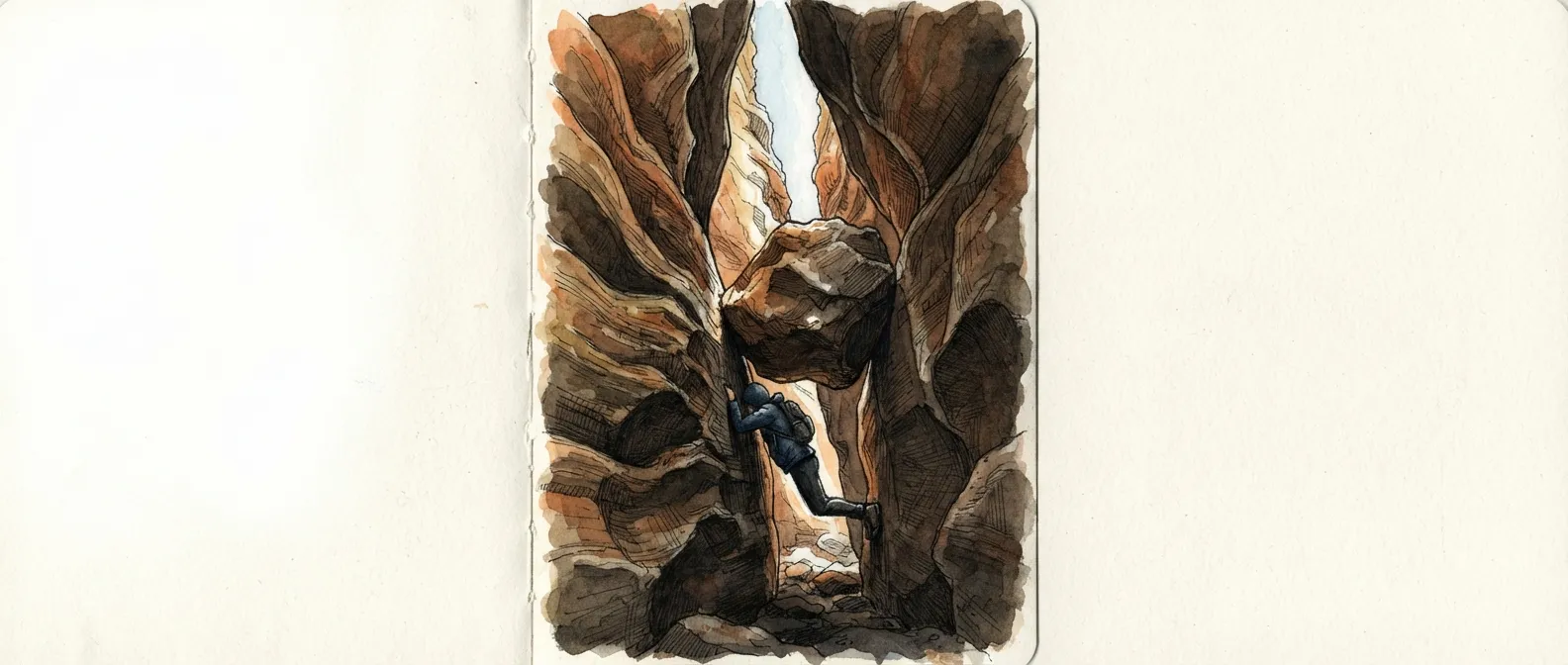
Aron Ralston: 127 hours trapped in a canyon
An arm trapped under a boulder, five days without rescue, and a decision no manual teaches: cutting oneself to live.
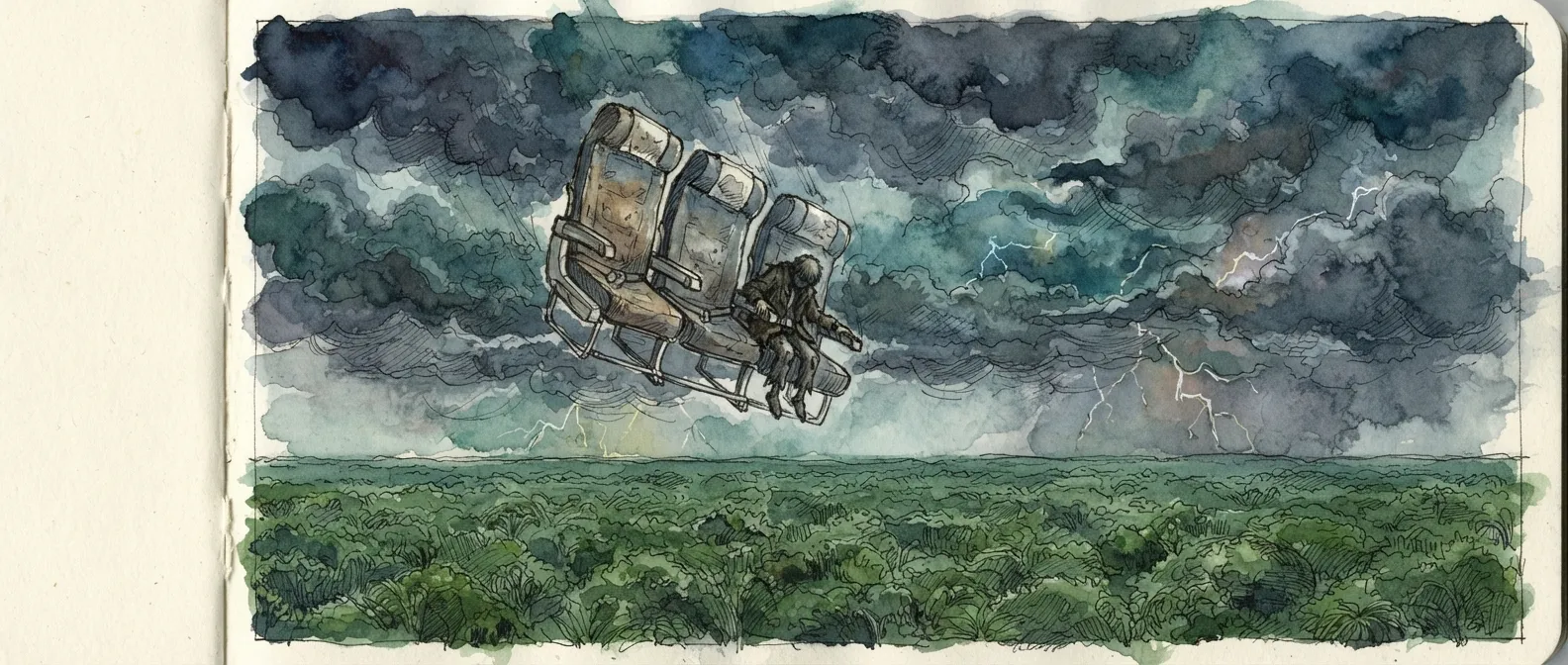
Juliane Koepcke: 11 Days Alone in the Jungle After the Crash
Seventeen years old, alone after falling three kilometers into the Amazon jungle, she followed a single rule: walk toward water.
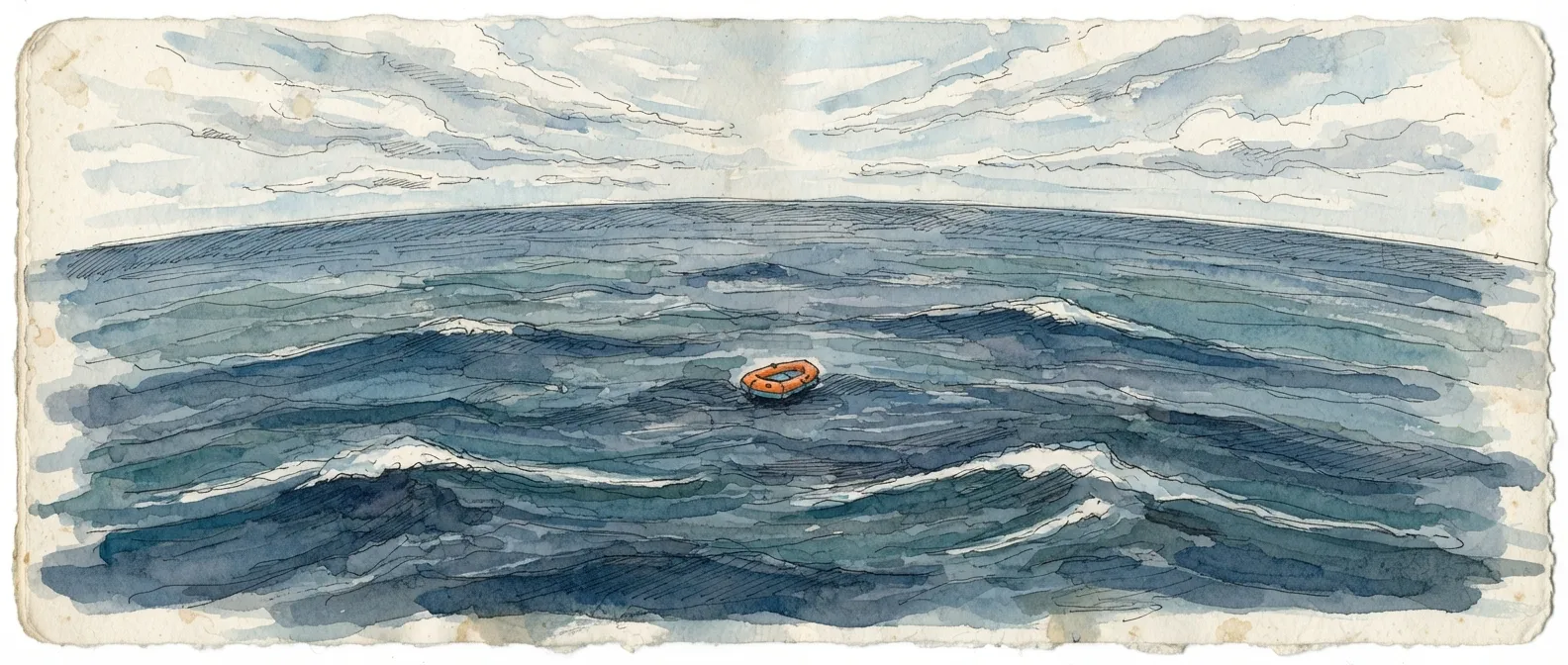
Steven Callahan: 76 days adrift on a raft
A crash in the night, a sailboat sinking in a matter of minutes, and 76 days on a tiny raft reinventing survival.