José Salvador Alvarenga: 438 Days in the Pacific
Out fishing for two days, he drifted for 438 days across the Pacific, alone after the death of his crewmate.
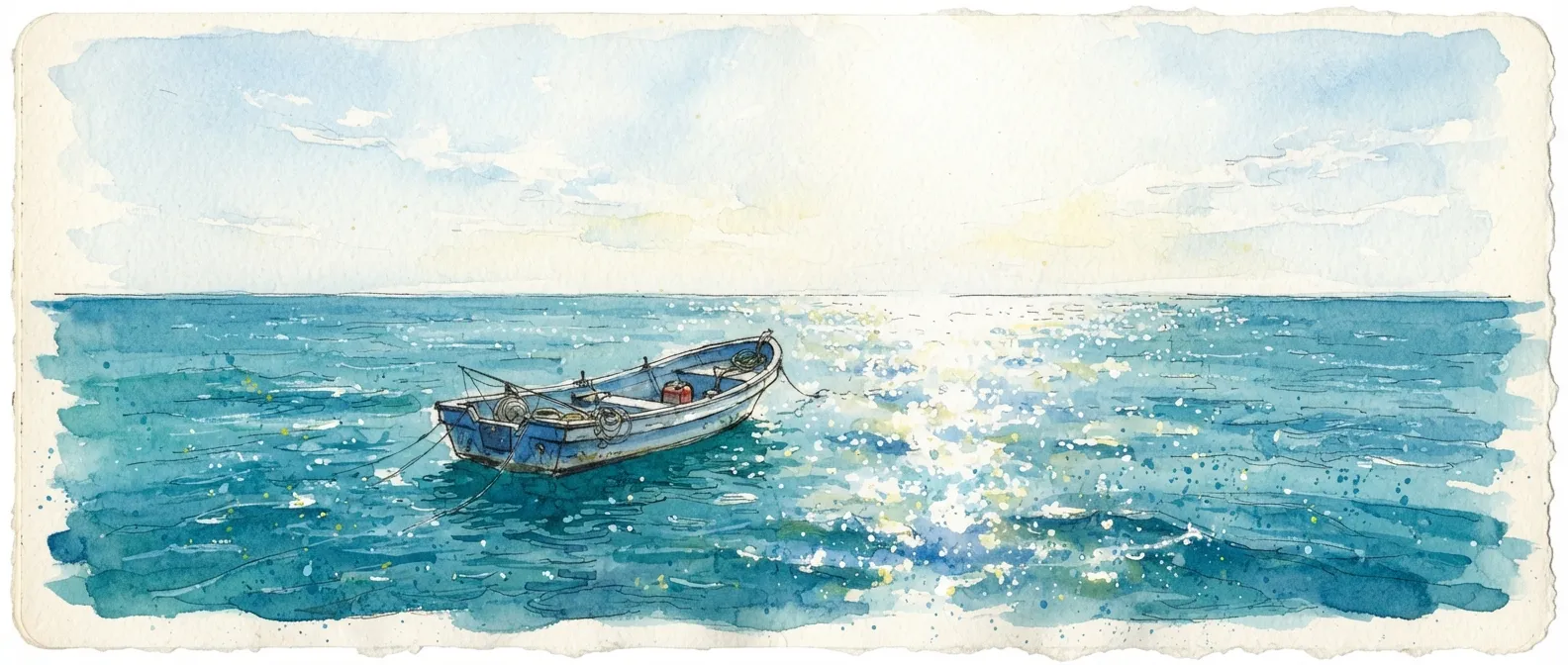
It is late at night on November 17, 2012, off the coast of Chiapas, Mexico. José Salvador Alvarenga and his young crewmate Ezequiel Córdoba head out for a shark fishing trip supposed to last two or three days, aboard a seven-meter fiberglass boat. A storm rises, fiercer than expected. The outboard motor stalls, and the navigation and communication instruments fail one after another. The two men have no way to get back, nor to call for help. The current and the wind take hold of the small craft and sweep it out to sea, far from the coast, far from any known fishing route. No one, at that moment, imagines that this drift will last over a year.
What happened
November 17, 2012. José Salvador Alvarenga, a 37-year-old Salvadoran fisherman living in Mexico, and Ezequiel Córdoba, a younger crewmate, set off from Costa Azul, near Pijijiapan, in the state of Chiapas, for a shark fishing trip planned for two to three days.
The storm hits. The outboard motor and the navigation instruments on their boat stop working. The two men drift away, with no way to communicate or make their way back to shore.
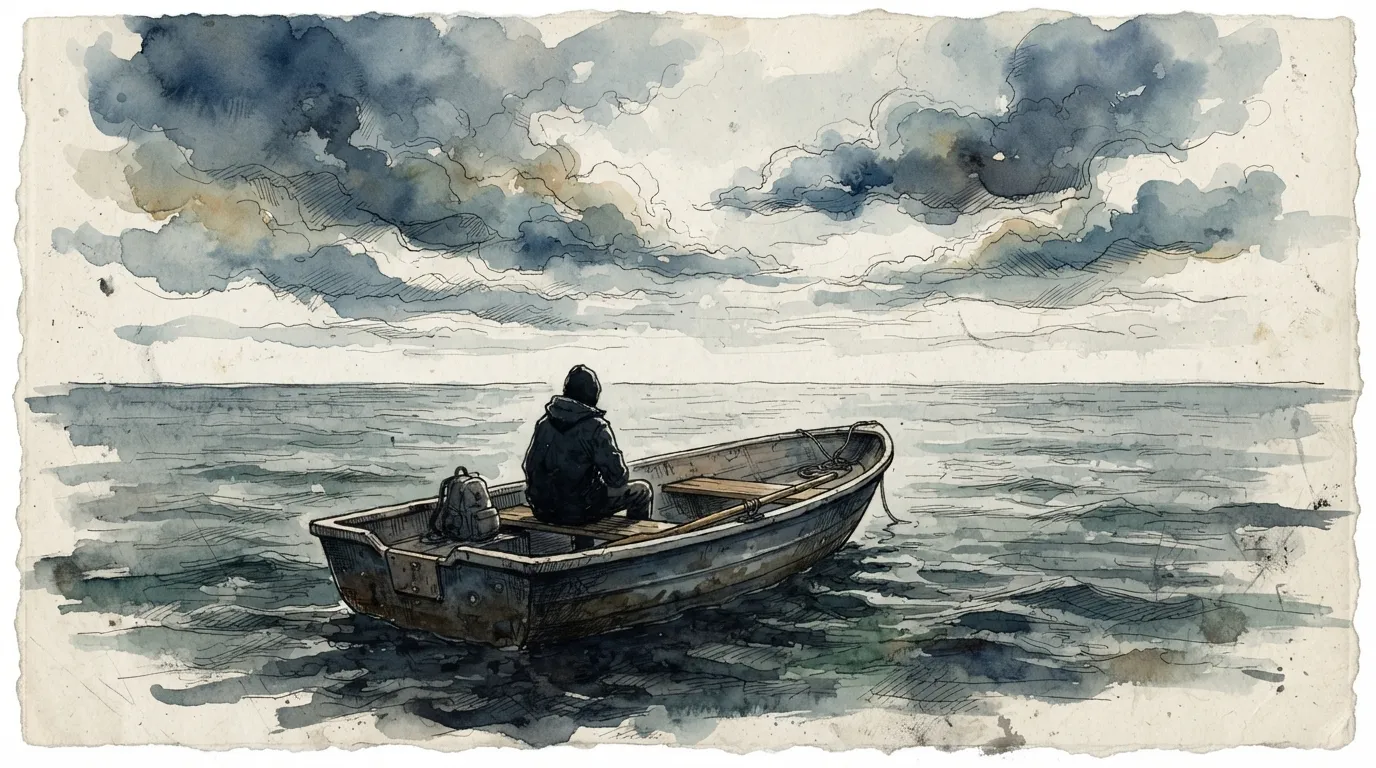
About four months later, according to Alvarenga’s sole account—no other witness could confirm the exact circumstances—Ezequiel Córdoba dies after refusing to eat the raw food they caught, including fish, turtles, and birds, unable to stomach it any longer.
The following months. Alvarenga keeps drifting alone, surviving on raw fish, turtles, birds, and small sharks, drinking rainwater and, in the most critical moments, turtle blood and his own urine.
January 30, 2014. After 438 days drifting across an estimated distance between 9,000 and 12,500 km depending on sources—researchers from the University of Hawaii who modeled Pacific winds and currents deemed the trajectory plausible—Alvarenga reaches Ebon Atoll in the Marshall Islands. He is spotted by locals on Tile Islet.
February 2014. Transferred to Majuro on February 3, he is repatriated to El Salvador on February 10. A polygraph test taken in April 2014 concludes, according to the authorities administering it, that his story is genuine.
2015. Journalist Jonathan Franklin publishes 438 Days, born from months of interviews with Alvarenga. It remains to this day the longest documented account of a drift at sea on a small vessel.
What he did
What immediately sets Alvarenga’s drift apart from most documented shipwrecks is his background: a professional fisherman since his teenage years, he already knew how to spot, approach, and catch whatever the ocean offered without a rod or line, long before the storm stripped him of everything. This skill built over years, rather than cobbled together in a single night, likely did more for his survival than any gear left on board.
In practice, this meant hunting with his bare hands: sea turtles caught while swimming or hauled onto the deck, seabirds snatched when landing exhausted on the hull, fish, and even small sharks caught alongside the boat. Eating raw wasn’t a choice, it was the only option without fire or cooking equipment—a risky physiological gamble regarding parasites and bacteria that he paid for long afterward, once rescued.
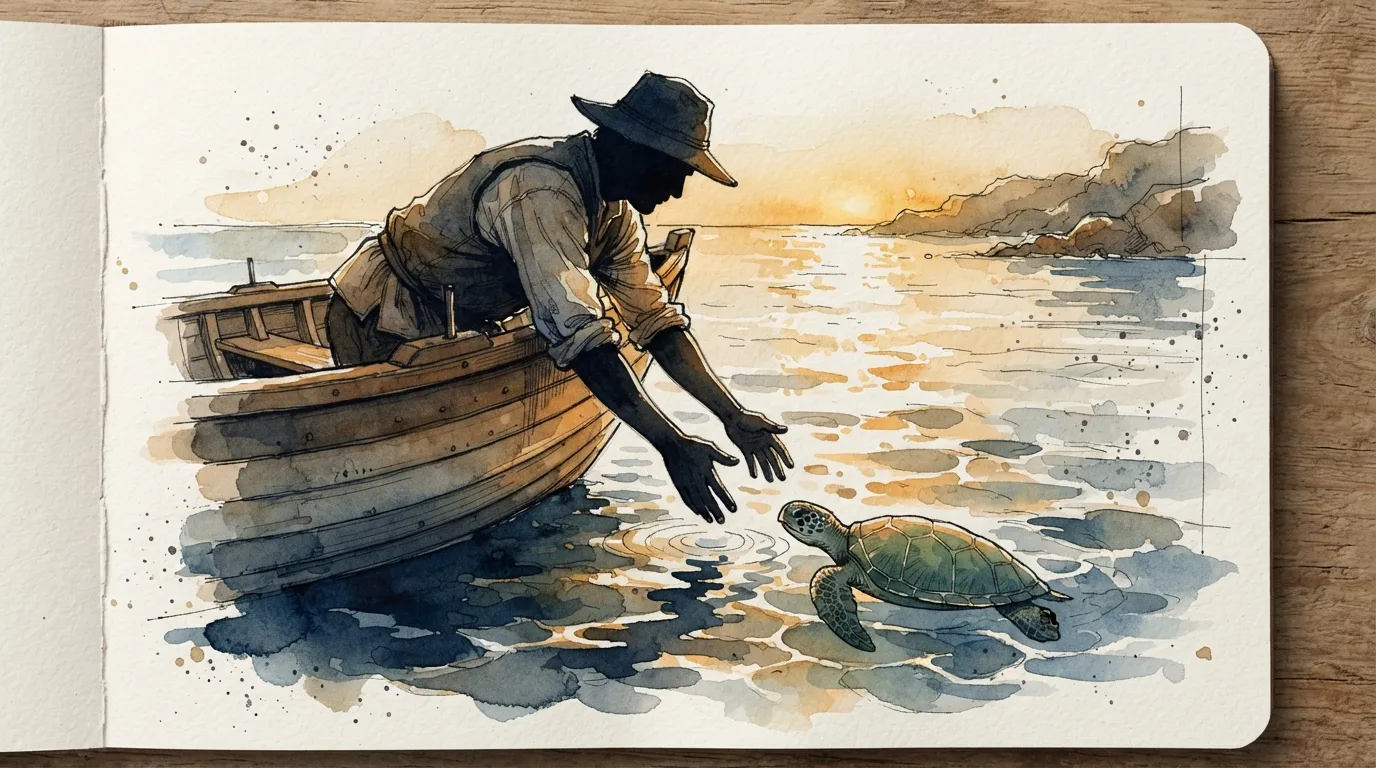
Water was managed with the same discipline seen in other survivors before him: rainwater collected as a priority, and only as a last resort during the driest stretches of the drift, turtle blood and his own urine. Drinking seawater directly, the most dangerous temptation for any castaway, plays no part in any version of his account.
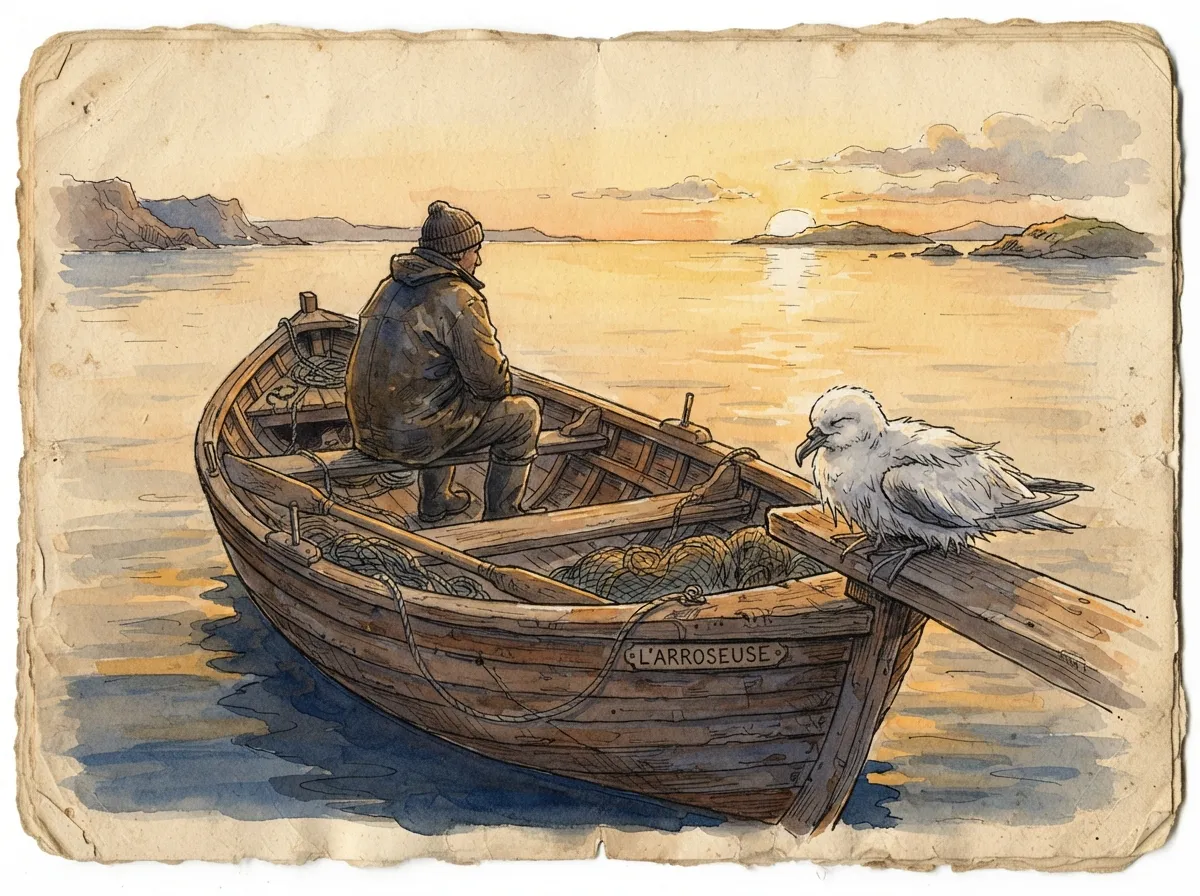
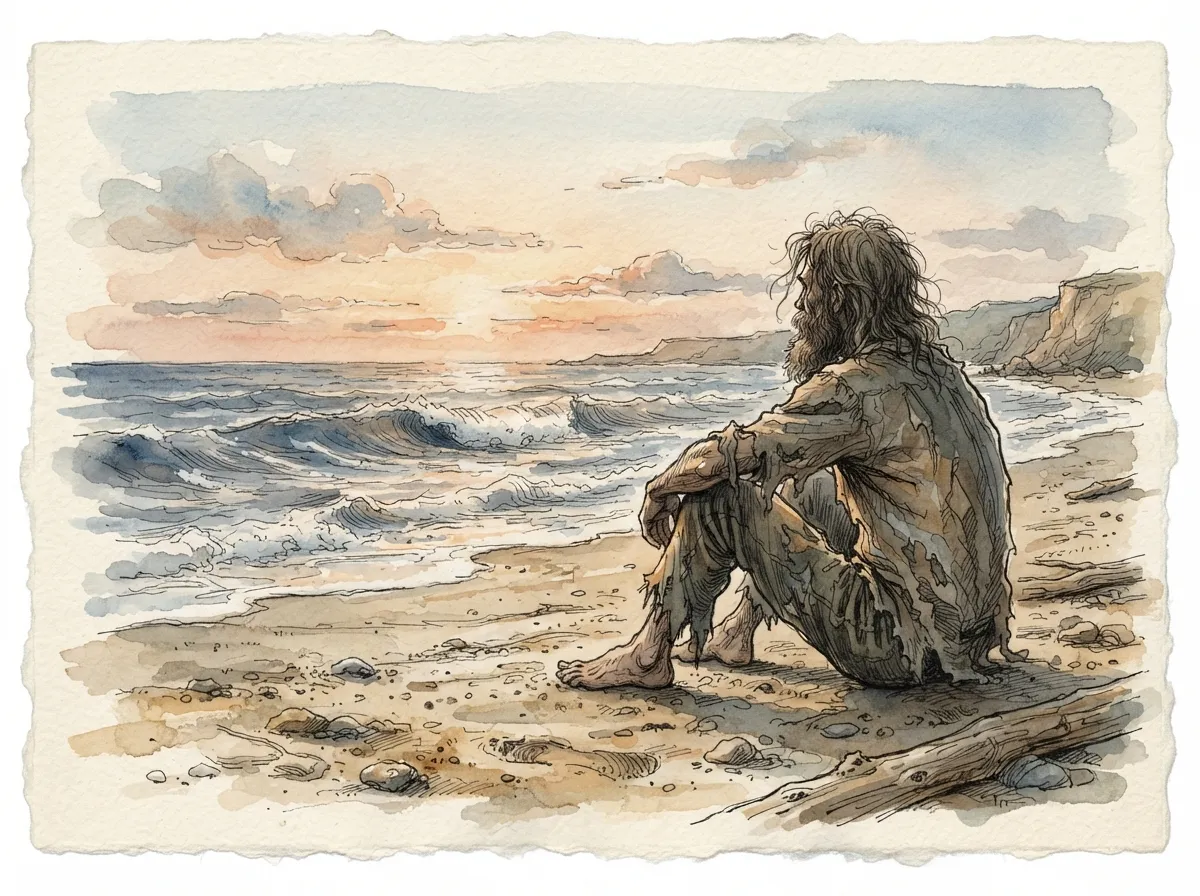
The hardest decision wasn’t technical, but psychological. After Córdoba died, Alvarenga found himself alone with a corpse on a tiny boat, with no one to talk to for the first time in months. He recounted considering suicide for about four days before refusing to go through with it, sustained by his religious faith. This turning point illustrates a danger specific to group survival situations: the death of a companion doesn’t just threaten the one who dies, it can shatter the will to live of the one who remains, precisely when they must press on alone with what they were doing together.
Once past that milestone, he maintained a routine as much as the identical days of a man alone on a drifting hull allow: hunting, collecting water, taking care of his body, and according to his account, long sessions of prayer and talking to himself—a way, like other castaways before him, to keep a mind busy that otherwise has nothing to do but count the days.
He also never tried to build a makeshift raft or leave the vessel: staying with the hull, even without an engine, remained the best option—it floated, was visible from afar, and offered a semblance of shelter against the sun and wave crests. The same principle applies to a capsized kayaker or a lost hiker near a vehicle: the largest, most visible object remains, most of the time, a better bet than improvising.
Over time, his physical condition gradually degraded despite regular food: raw meat and the lack of varied vitamins and minerals eventually caused anemia, abnormally low blood pressure, swollen ankles, and suspected parasitic infections, documented upon his rescue. Eating wasn’t enough to stay in good health; it was enough to stay alive—which, in survival, isn’t quite the same thing.
What saved him
Fishing know-how, built long before the storm. Spotting a turtle coming up for air, approaching an exhausted seabird perching on the gunwale, sensing where fish cluster in the shade of the hull: Alvarenga invented almost nothing at sea, he applied a trade learned over years of commercial fishing. See the survival food guide: skills gained in advance carry more weight over time than any fishing gear left behind on the dock.
Rainwater first, seawater never. As with all castaways who lasted several months, rain made up the bulk of his hydration, supplemented in the driest spells by turtle blood and, as a last resort, his own urine. See the water guide to understand why drinking seawater worsens dehydration instead of relieving it.
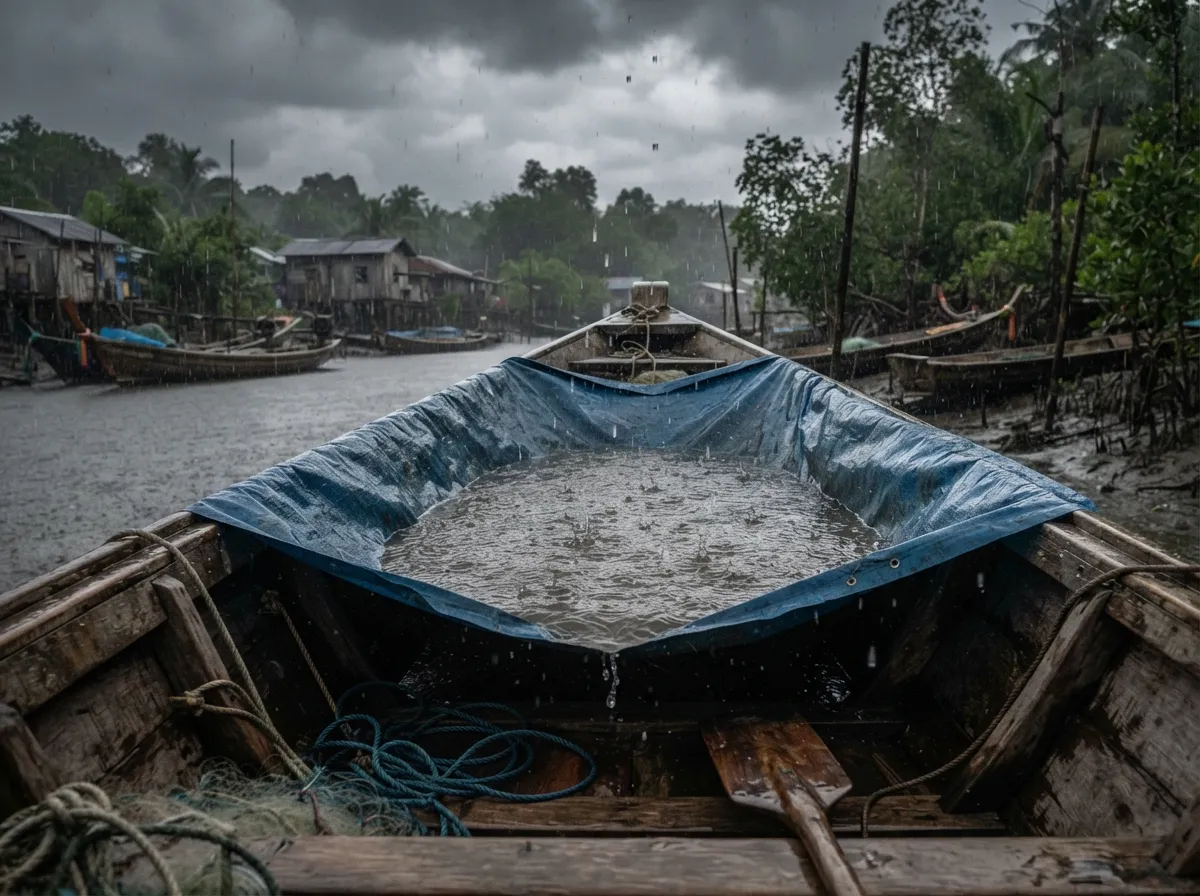
Staying with the boat instead of trying something else. The boat, even immobilized, provided buoyancy, visibility, and basic protection from the sun. See the sea guide: understand that you almost never choose your direction while drifting, but you can choose to stay on what floats rather than risk worse.
Rejecting suicide, and holding onto purpose. The four days following Córdoba’s death were likely the most dangerous moment of the entire ordeal—more than hunger, more than thirst. See the mental resilience guide: the will to live isn’t settled once and for all, it is actively defended during every trial, including against the despair caused by losing a companion.
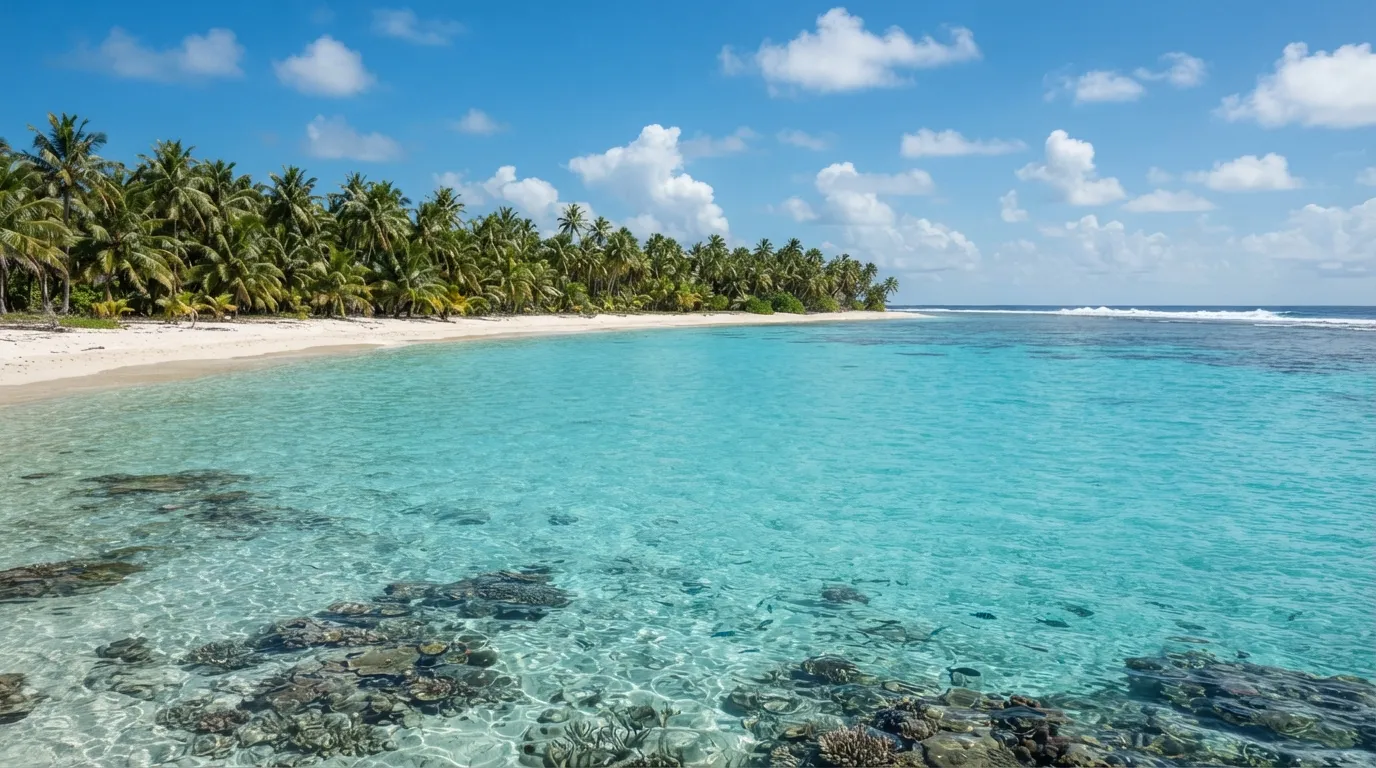
Being spotted by locals, at the right time. After 438 days and thousands of kilometers, it was human presence on an isolated atoll—one of the few patches of land across thousands of kilometers in the central Pacific—that ended his drift: residents of Ebon found him washed ashore near the beach. See the rescue and signaling guide: an ocean drift usually ends only where there are eyes to see it.
What we learn from it
A skill learned ahead of time is worth more than any gear. It wasn’t a miraculous knife or a backup GPS that kept Alvarenga alive for 438 days, but years of experience gathered before even stepping onto the boat that day. A hiker who knows how to spot a water source, read a storm coming, or improvise a shelter has an edge that no pack, no matter how complete, can replace.
The loss of a companion is a distinct survival risk. After Córdoba died, Alvarenga went through four days where giving up felt easier than keeping on. In a group—a climbing team, a family hiking, a boat crew—the death or disappearance of a member must never be borne alone and in silence: explicitly naming this risk before it happens helps you recognize it and get through it when the time comes.
The human body lasts far longer than you think, but pays for it later. 438 days of raw, irregular food didn’t kill Alvarenga on the spot; it left him anemic, hypotensive, and likely carrying parasites when he arrived. The lesson for an everyday hiker isn’t to think you’re invincible because the body can take a beating in the short term, but to understand that long-term dietary improvisation has a medical cost settled after the fact, not during.
Frequently asked questions
Did José Salvador Alvarenga really survive 438 days at sea?
Yes: his drift was judged plausible by researchers from the University of Hawaii who modeled Pacific winds and currents over that period, and a polygraph test taken in April 2014 concluded his story was genuine according to the authorities who administered it. No independent physical evidence exists to verify every single detail day by day, which is consistent with a drift where he lost his instruments early on.
What did José Alvarenga eat and drink for 438 days?
Fish, sea turtles, seabirds, and small sharks, almost always raw due to the lack of fire at sea. For water, he relied on collected rainwater, supplemented during the toughest stretches by turtle blood and, as a last resort, his own urine.
What happened to his companion Ezequiel Córdoba?
According to Alvarenga’s account, Córdoba died about four months into the drift after refusing to eat the raw food they were catching. No other witnesses could confirm the exact circumstances, as the two men were alone on the boat.
Was José Salvador Alvarenga accused of cannibalism?
A lawsuit demanding one million dollars made the news under the name of Córdoba’s family, bringing up accusations of cannibalism without any physical proof. In late 2015, Córdoba’s own mother stated she had never filed such a claim, explaining that a lawyer had built the case without her genuine consent.
How was José Salvador Alvarenga found?
After drifting thousands of kilometers across the Pacific, his boat reached Ebon Atoll in the Marshall Islands on January 30, 2014. He was discovered by residents of Tile Islet in terrible physical shape: anemic, hypotensive, with swollen ankles, and barely able to walk.
Going further
- Jonathan Franklin, 438 Days: An Extraordinary True Story of Survival at Sea (Atria Books, 2015) — the most comprehensive account, drawn from months of direct interviews with Alvarenga.
- CNN, Real-life castaway survived 438 days lost at sea — a journalistic overview of the facts and their verification.
- The two videos above, one in French and the other from the American channel RealLifeLore, for two complementary angles on the same drift.
Sources for this module (5)
- Wikipedia (EN) — José Salvador Alvarenga
- Wikipedia (ES) — José Salvador Alvarenga
- Wikipedia (FR) — José Salvador Alvarenga
- CNN — Real-life castaway survived 438 days lost at sea
- Jonathan Franklin, 438 Days: An Extraordinary True Story of Survival at Sea (Atria Books, 2015)
Continue in "Survivor stories"
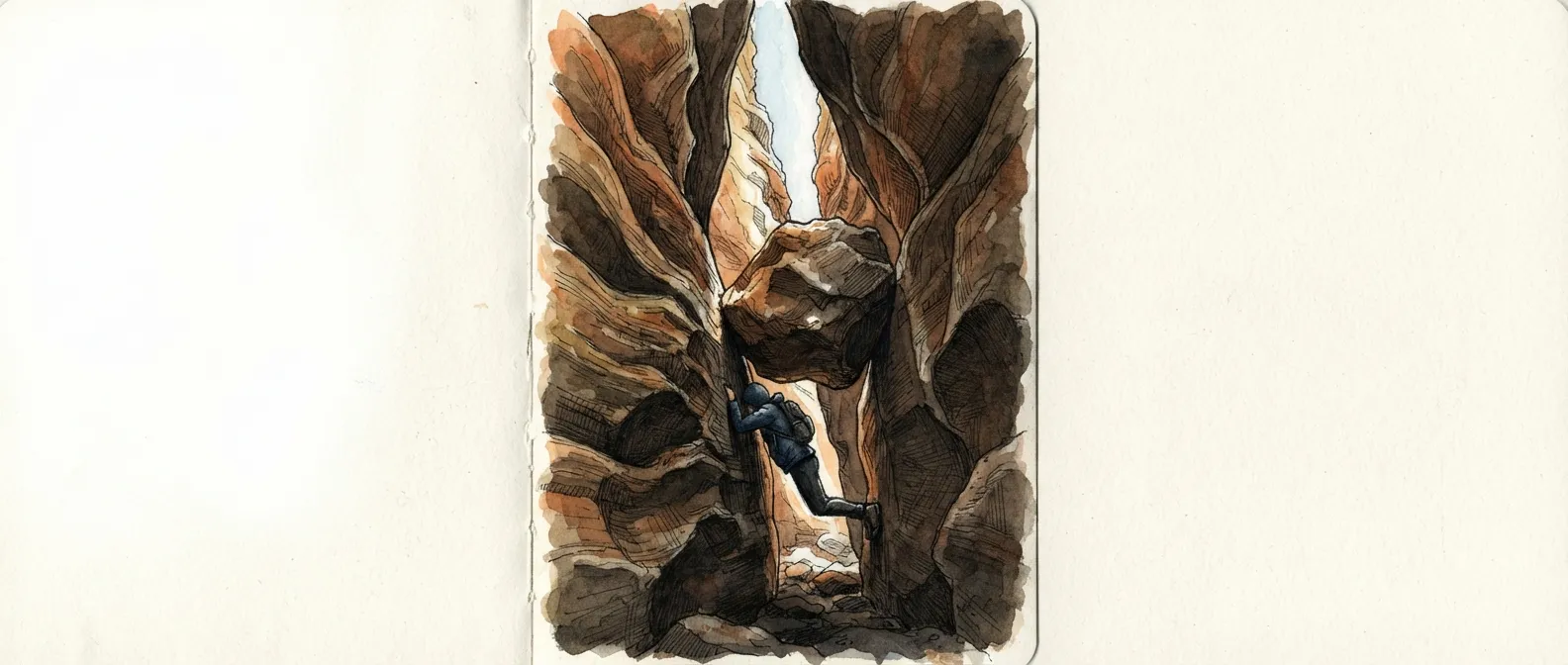
Aron Ralston: 127 hours trapped in a canyon
An arm trapped under a boulder, five days without rescue, and a decision no manual teaches: cutting oneself to live.
Juliane Koepcke: 11 Days Alone in the Jungle After the Crash
Seventeen years old, alone after falling three kilometers into the Amazon jungle, she followed a single rule: walk toward water.
Steven Callahan: 76 days adrift on a raft
A crash in the night, a sailboat sinking in a matter of minutes, and 76 days on a tiny raft reinventing survival.