The Andes Survivors: 72 Days at 11,800 Feet
Sixteen survivors out of forty-five, 72 days at 11,800 feet, and an extreme decision to stay alive: what the mountain taught them.
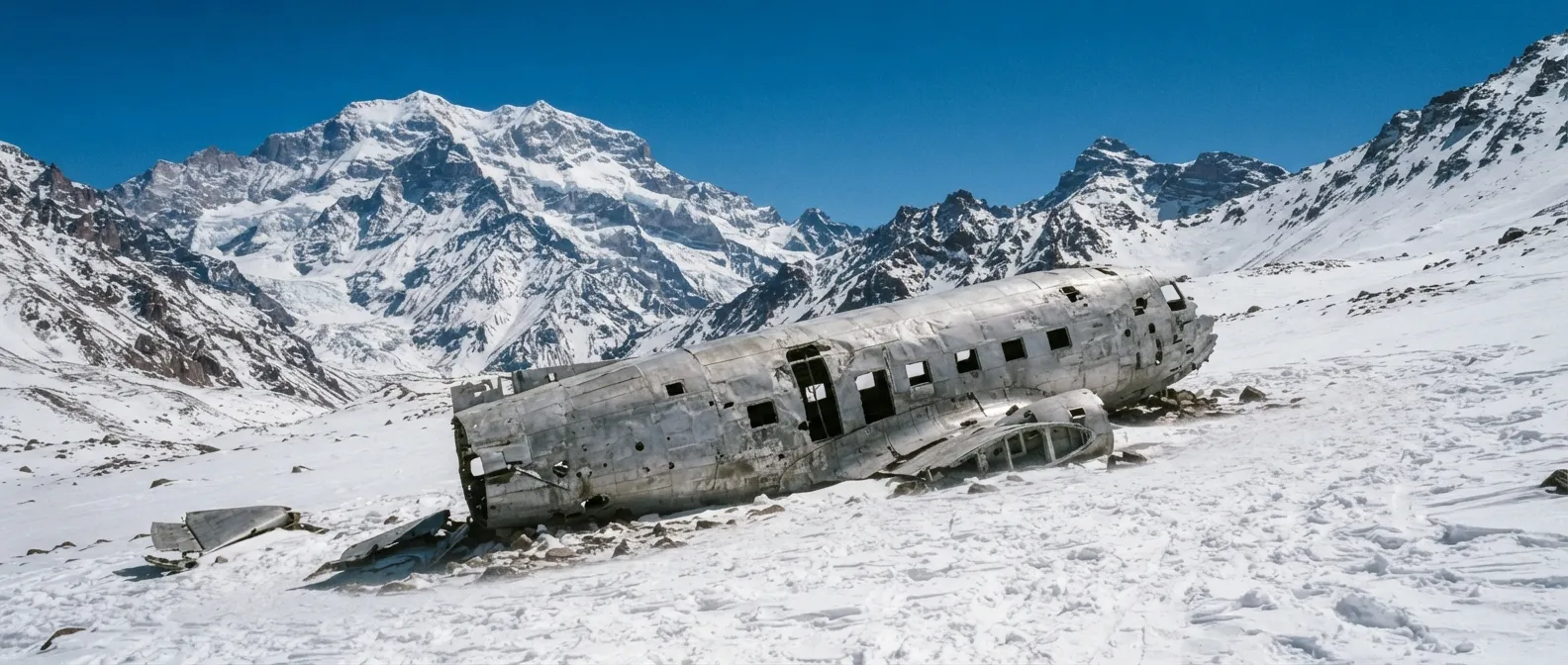
October 13, 1972, 3:34 PM, the Andes mountain range. The plane clips a peak before anyone sees the mountain coming: the wings tear clean off, the tail section breaks away with passengers still strapped to their seats, and what remains of the fuselage—a metal tube containing forty people—slides down the snow like a sled, slowed by the slope, before slamming into a wall of ice. What follows isn’t really silence: moans, a freezing wind blowing through the gaping hole at the back, and the altitude—3,600 meters—making every breath shorter than the last. On board, the Old Christians rugby team from Montevideo was flying to Chile for a match. Twelve of them are already dead or will die in the hours that follow. The survivors don’t know it yet, but no rescue team is coming for them where they are: in 72 days, they will have to go get help themselves, on foot.
What happened
Uruguayan Air Force Flight 571 takes off from Montevideo on October 12, 1972, a Fairchild FH-227D chartered to fly the Old Christians rugby team to Santiago, Chile. Bad weather forces the aircraft to lay over in Mendoza, on the Argentine side of the mountains; it takes off again the next day. On October 13 at 3:34 PM, in the middle of crossing the Andes, the plane hits a peak in the sector locals call the Valley of Tears: the wings rip off, the tail detaches with several passengers still strapped in, and the fuselage slides down the snow before stopping, upside down, against an ice wall at an altitude of about 3,600 meters. Out of 45 people on board, twelve die in the crash or in the hours that follow, including the pilot and the team doctor.
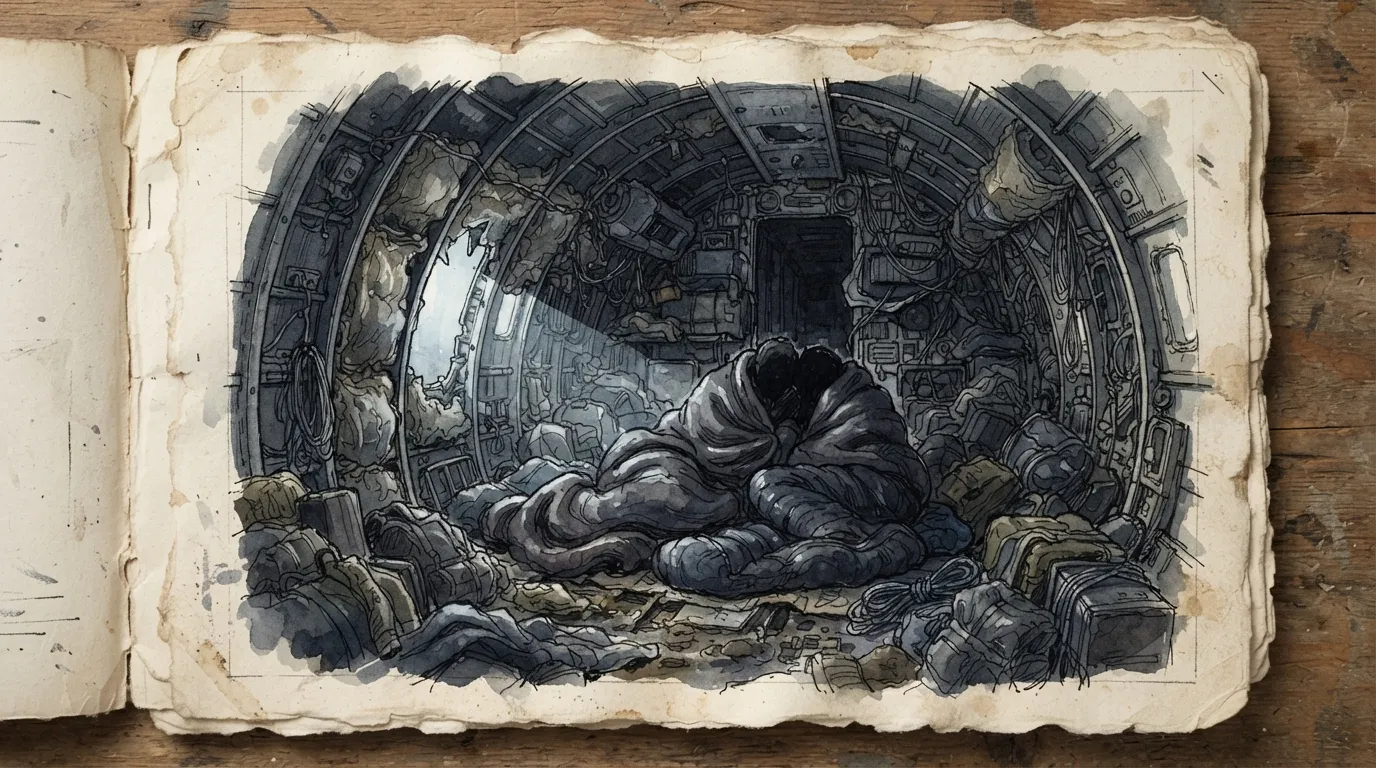
The 33 survivors organize themselves at first around Marcelo Pérez, the team captain, who rations the little food found in the luggage—a few squares of chocolate, some wine, crackers. Five more passengers die over the next two days; on October 22, Nando Parrado’s sister, Susana, succumbs to her injuries. On October 21, after eight days, Chilean and Argentine authorities officially call off the aerial search: snow covers the wreckage, making it almost invisible from above. The survivors only learn this later by picking up a broadcast on a small battery-powered radio found in the luggage—a sudden blow that instantly crushes any hope of a quick rescue. The meager initial supplies run out at almost the exact same time.
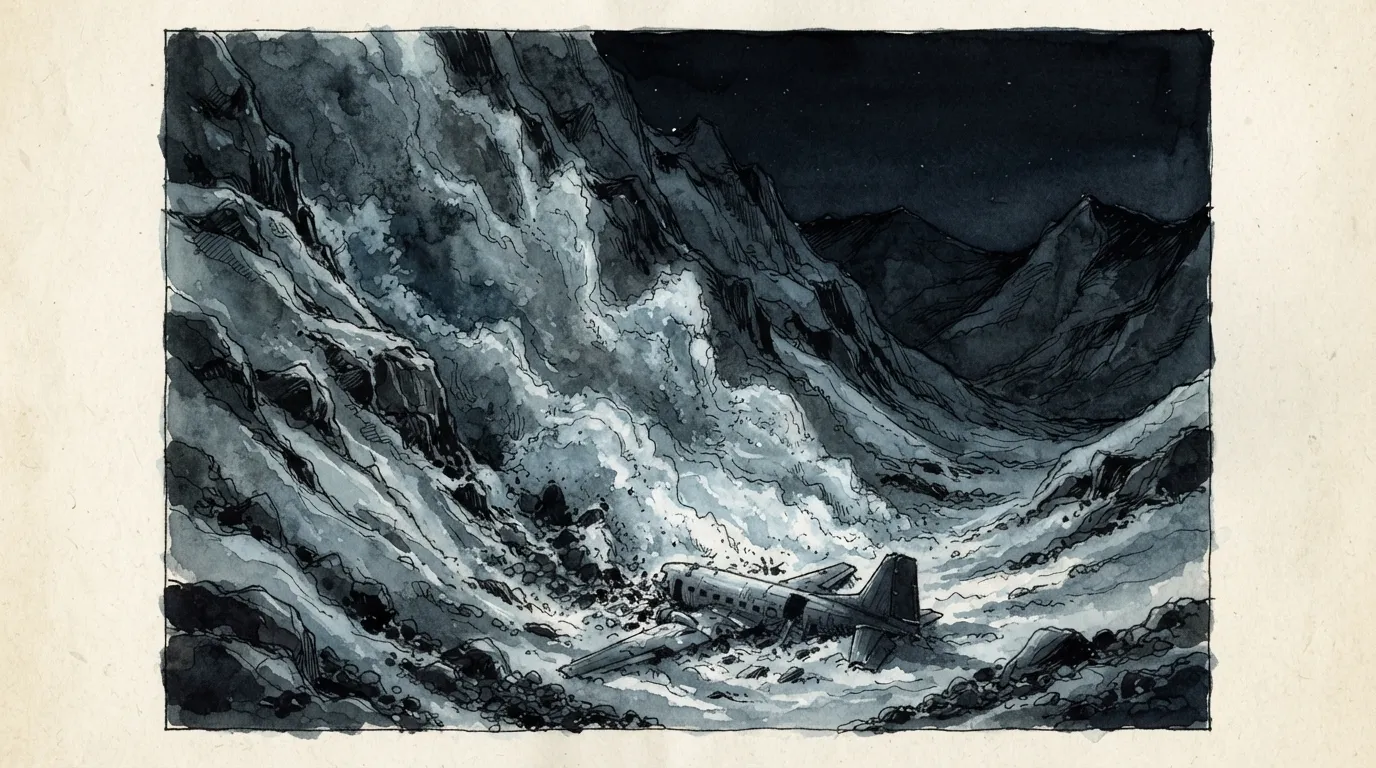
On the night of October 29–30, an avalanche slams into the fuselage while the survivors sleep: snow fills the interior to within a few inches of the ceiling and kills eight more people, including Marcelo Pérez himself and Liliana Methol, the last surviving adult woman in the group. The survivors have to dig a tunnel just to get out. In the days that follow, left with no other option, the group resolves to eat the flesh of the dead, preserved by the freezing cold—a decision made collectively, based on a mutual agreement granted in advance.
On November 15, a team finds the tail section of the plane, along with the radio and its batteries: the hope of calling for help collapses again when they discover the device requires a current that the batteries cannot supply. Two more men die from leg infections: Arturo Nogueira on November 15 and Rafael Echavarren on November 18. On December 11, Day 60, Numa Turcatti dies as well, weakened by his near-total refusal to feed on the bodies.
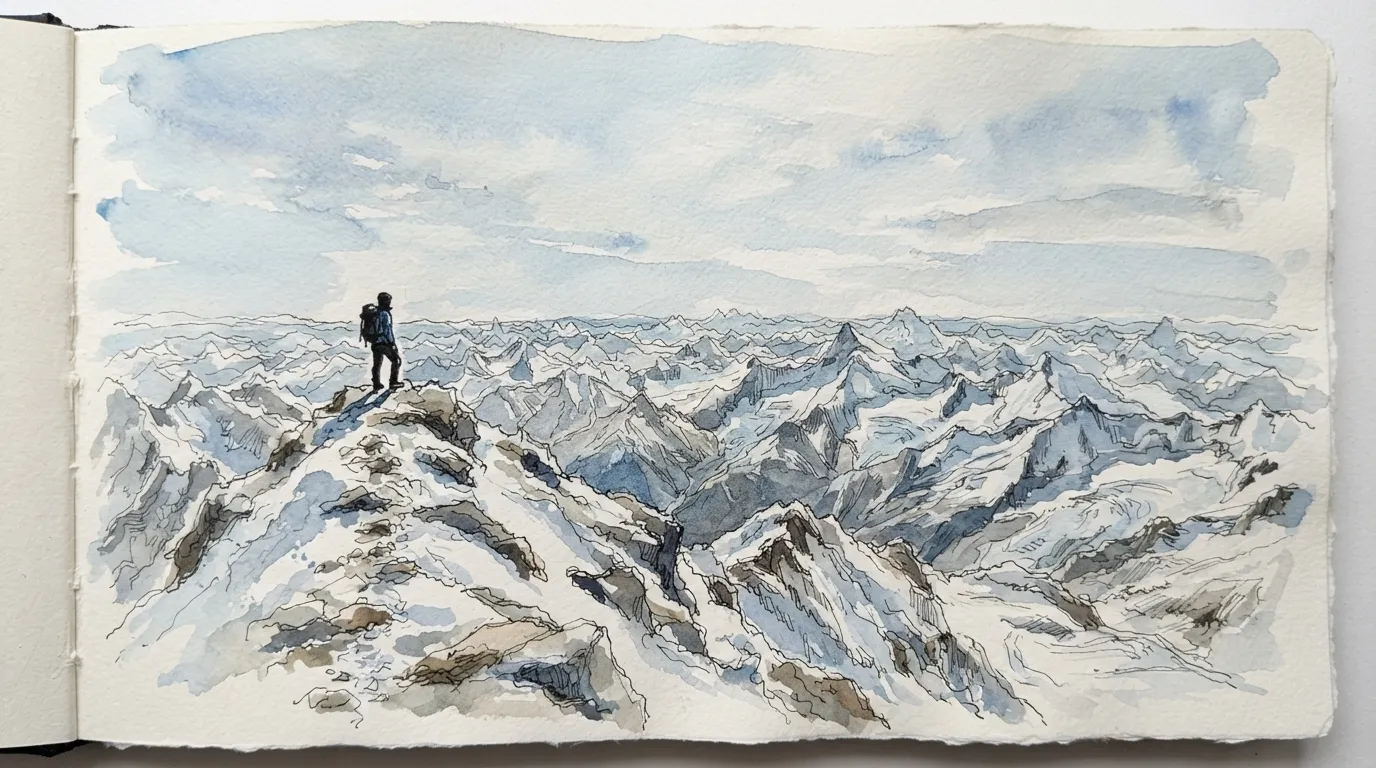
On December 12, 1972, Day 61, Nando Parrado, Roberto Canessa, and Antonio Vizintín set out on foot toward the west, carrying three days of rations and a makeshift sleeping bag sewn from the plane’s cabin insulation. They scale a wall nearly 4,500 meters high without climbing gear; from the summit, instead of the green valleys of Chile they hoped for, they see nothing but endless mountains. Vizintín turns back on December 14 to save food for the other two, who march for seven more days following a river valley downstream. On December 20, Day 69, they spot three horsemen on the far side of a river too loud for shouting: Parrado throws them a note weighted with a stone. The Chilean shepherd Sergio Catalán reads it, tosses them some bread, and rides for several hours to alert Chilean authorities.
Helicopters from the Chilean Air Force evacuate six survivors on December 22, and the remaining eight the following morning, December 23—72 days after the crash. Sixteen out of 45 people return home alive.
What they did
The first decision, taken collectively in the hours following the crash, was also the most textbook: stay put rather than scatter. A silver fuselage against white snow remains easy to spot from an aircraft, and several injured passengers could not be moved anyway. This choice, initially the right one, turned against them when snow eventually buried the wreckage and the search was called off: staying in the right spot does you no good if that spot becomes invisible.
The news that the search had been canceled, picked up by chance on a small radio, could have broken the group psychologically. Instead, it was the exact moment Parrado and Canessa shifted from passive waiting to a simple, brutal realization: if no one is coming, we have to go ourselves. This shift didn’t happen overnight; it took the failure of the aircraft’s radio a month later to turn the idea into a concrete plan. The survivors explored the least energy-intensive option—repairing a radio—before resolving to the riskiest one: walking ten days across high mountains with no gear.
The decision to eat the bodies of the dead is the hardest part of the story, and it deserves to be laid out without sensationalism or judgment: at 3,600 meters, no plants grow, no animals live, and the meager provisions on board were gone within a week. Once the search was called off, the only alternative to eating the dead was starving to death while looking at them. Roberto Canessa, a medical student, laid out the physiological reality—the body needs protein and fat to keep generating heat and energy—and cut the first portion himself to show it could be done. The group had mutually given each other permission in advance to use their bodies in the event of death, and many viewed this act through the lens of the Eucharist to make it bearable. An informal agreement excluded the body of Liliana Methol. Numa Turcatti, however, could never overcome his revulsion: he ate almost nothing, grew weaker, and eventually died—proof that psychological barriers can kill just as surely as a lack of food.
Finally, choosing who would march out was a matter of practical triage: Canessa set aside the weakest and selected those whose bodies were still capable of prolonged exertion at high altitude. Along the way, another critical decision was made: send Vizintín back to the fuselage rather than continue with three people, because their supplies wouldn’t last through a descent that was turning out to be much longer than planned. It was a choice made with incomplete information—they didn’t yet grasp the true scale of the terrain—but corrected as soon as the ridge revealed the truth. The sight of an endless sea of peaks, instead of the green valleys of Chile, could have broken them; instead, they used it to make the only logical call: follow the melting water down.
What saved them
Staying together near a visible landmark at first. The silver fuselage against the snow, even though it eventually got buried, was their best chance of being spotted from the air during the early days. It was also the only place to care for casualties who couldn’t be moved. The secours guide details why staying put is almost always the best initial call.
A shelter that truly cut the wind and cold. The inverted cabin, sealed with luggage and seats, slowed thermal loss that would have killed them in a matter of hours out in the open. The sleeping bag stitched from aircraft insulation served the exact same purpose during the trek. The abri guide explains how an enclosed space, even a makeshift one, changes everything.
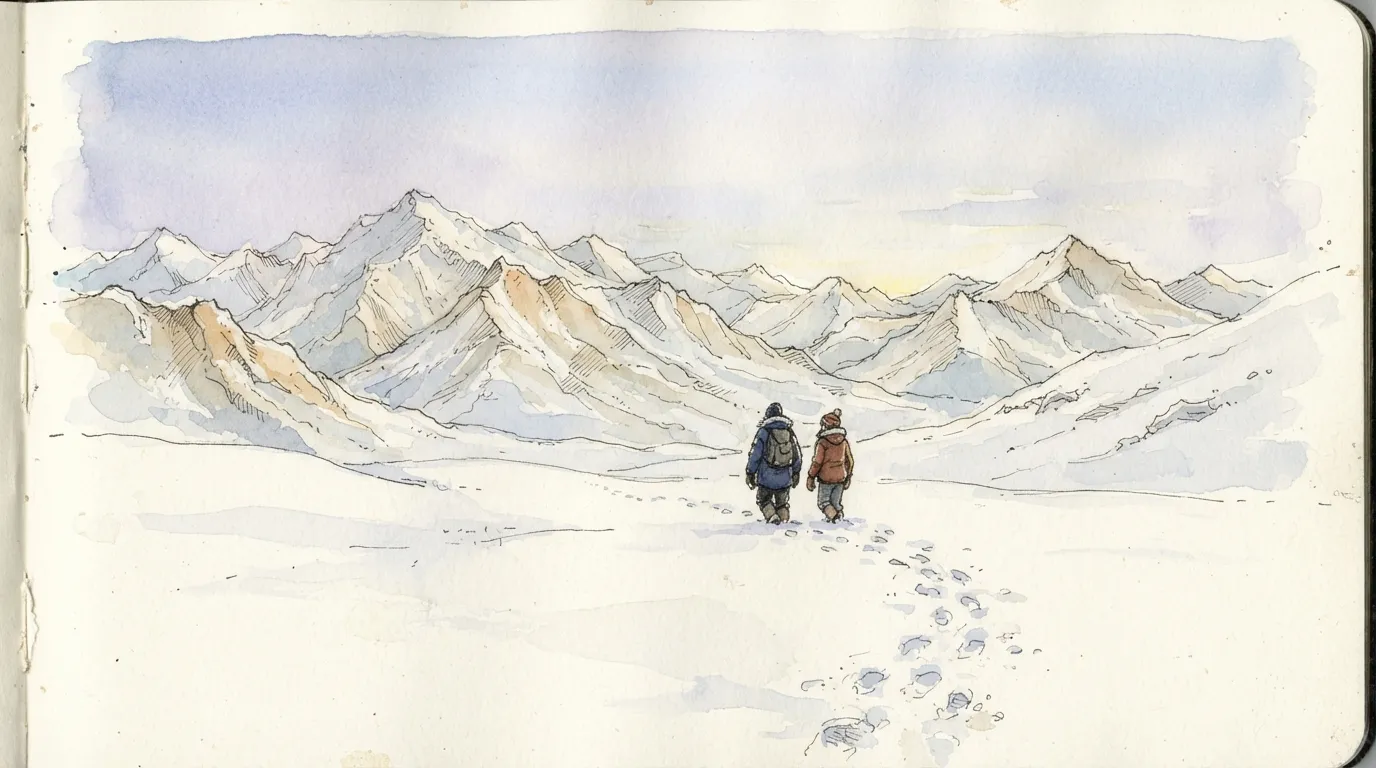
Eating what was available instead of nothing. The chart on human body limits highlights this: even in optimal conditions, absolute fasting leads to organ failure in about thirty days on average. At 3,600 meters in sub-zero cold, caloric burn is drastically higher than at sea level. Without a intake of protein and fat, none of the survivors would have made it to Day 72. The nourriture guide breaks down what your body actually needs to keep operating.
Reading the terrain correctly once the error was clear. Once they realized the descending valley had to lead toward populated areas, Parrado and Canessa stopped looking for Chile where they thought it should be and simply followed the water downstream—a navigation rule as old as walking. The montagne guide explains how to find your way without a map or compass.
The sheer physical tenacity of two men in unforgiving terrain. Ten days of high-altitude marching without gear, protected only by layered clothing and socks used as gloves, until they spotted the first sign of human life. The marche guide details what multi-day travel through hostile terrain truly demands from your body.
Lessons learned
1. Staying put is your best first move—but it has an expiration date. It’s the right choice as long as there is a realistic chance of being spotted. The moment that chance disappears (night falling, search canceled, being far off your planned route), you have to switch to an active plan. A lost hiker needs to ask the same question Parrado and Canessa did: does anyone know where to look for me, and if not, what am I doing to change that?
2. Exhaust the safest option before attempting the riskiest. The group tried to fix a radio before sending two men on a ten-day trek through high mountains. Before taking a dangerous route to force your way out of a bad situation, make sure there isn’t a safer alternative—a signal, waiting in a shelter, using remaining food—that you haven’t tried yet.
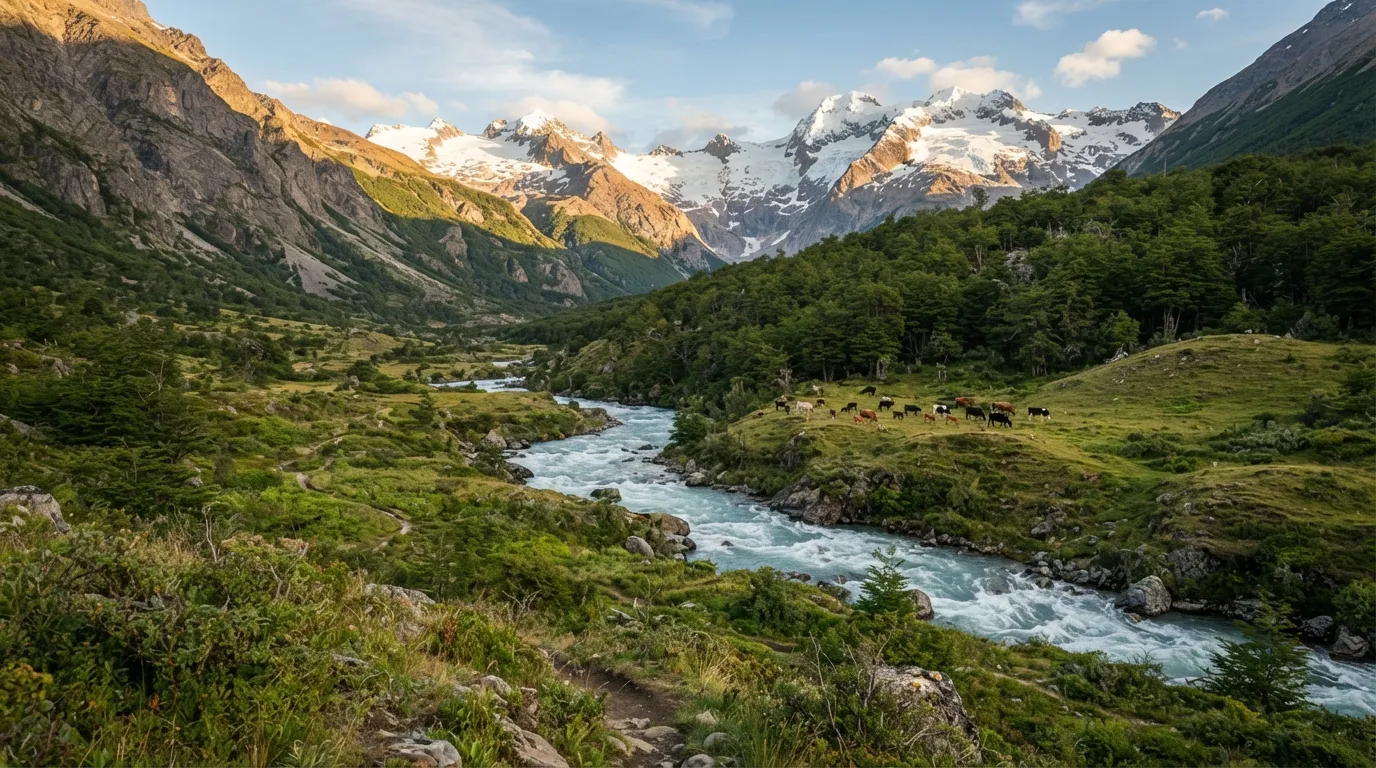
3. In the mountains, downstream water almost always leads somewhere. Following a valley or a stream downhill remains one of the most reliable navigation rules when you don’t have a map or compass: human settlements are almost always located lower down, near water. That logic, far more than luck, brought Parrado and Canessa to the shepherd who saved them.
Frequently asked questions
How did the rugby players on Flight 571 survive 72 days in the Andes?
By staying near the wreckage during the first few weeks, using the fuselage as a shelter against the cold, and ultimately resolving to eat the bodies of the dead once the search was officially canceled—the only source of protein available at 11,800 feet, where nothing grows. Two of them, Nando Parrado and Roberto Canessa, eventually walked for ten days to bring back help.
Why did the survivors eat the bodies of their deceased companions?
Because there was literally nothing else to eat at that altitude, and aerial searches had been officially called off after eight days. The survivors had mutually given each other permission in advance to use their bodies if they were to die, and they viewed the act through the lens of the Eucharist to make it morally tolerable.
What happened to the plane’s radio?
The team found the tail section of the aircraft, along with its radio and batteries, on November 15. However, the radio required 115-volt AC power, while the batteries only supplied 24-volt DC power—an incompatibility they could never resolve, despite working on it for days. That failure pushed the group to pursue escaping on foot.
How did Nando Parrado and Roberto Canessa cross the Andes without equipment?
In ten days, without a map, compass, or climbing gear: they kicked and carved steps into the ice with a stick to scale a wall roughly 14,800 feet high, slept in a makeshift sleeping bag sewn from cabin insulation, and followed a river valley downhill until they spotted cattle and, finally, a shepherd.
Who rescued the survivors of Flight 571?
Sergio Catalán, a Chilean shepherd on horseback, spotted Nando Parrado on December 20, 1972, and received a note thrown across a roaring river tied to a stone. He rode for hours to alert authorities, who launched a helicopter rescue on December 22 and 23. All 16 survivors were evacuated in two waves.
Going further
- Piers Paul Read, Alive: The Story of the Andes Survivors (1974)—the book that introduced the story to the world, written with the full cooperation of the survivors.
- Nando Parrado (with Vince Rause), Miracle in the Andes (2006)—the first-person account written thirty years later.
- Alive (1993), feature film directed by Frank Marshall—an adaptation of Piers Paul Read’s book.
- Society of the Snow (2023), feature film directed by J. A. Bayona—the most recent and meticulously researched version, partially filmed on location.
Key takeaways
- Staying near a visible landmark is only the right call while there is a real chance of rescue: reevaluate as soon as circumstances change.
- Try lower-risk options (signaling, building shelter, waiting) before attempting high-risk moves.
- In extreme cold at high altitude, your body burns calories at a massive rate: protecting your energy reserves is just as vital as staying warm.
- Following water downstream remains one of the most reliable ways to navigate without a map or compass.
- An infected wound will kill you just as surely as severe cold or starvation, only slower: treat it with the same urgency.
Sources for this module (4)
- Wikipedia (EN) — Uruguayan Air Force Flight 571
- Wikipédia (FR) — Vol 571 Fuerza Aérea Uruguaya
- Piers Paul Read, Alive: The Story of the Andes Survivors (1974)
- Nando Parrado avec Vince Rause, Miracle in the Andes (2006)
Continue in "Survivor stories"
Aron Ralston: 127 hours trapped in a canyon
An arm trapped under a boulder, five days without rescue, and a decision no manual teaches: cutting oneself to live.
Juliane Koepcke: 11 Days Alone in the Jungle After the Crash
Seventeen years old, alone after falling three kilometers into the Amazon jungle, she followed a single rule: walk toward water.
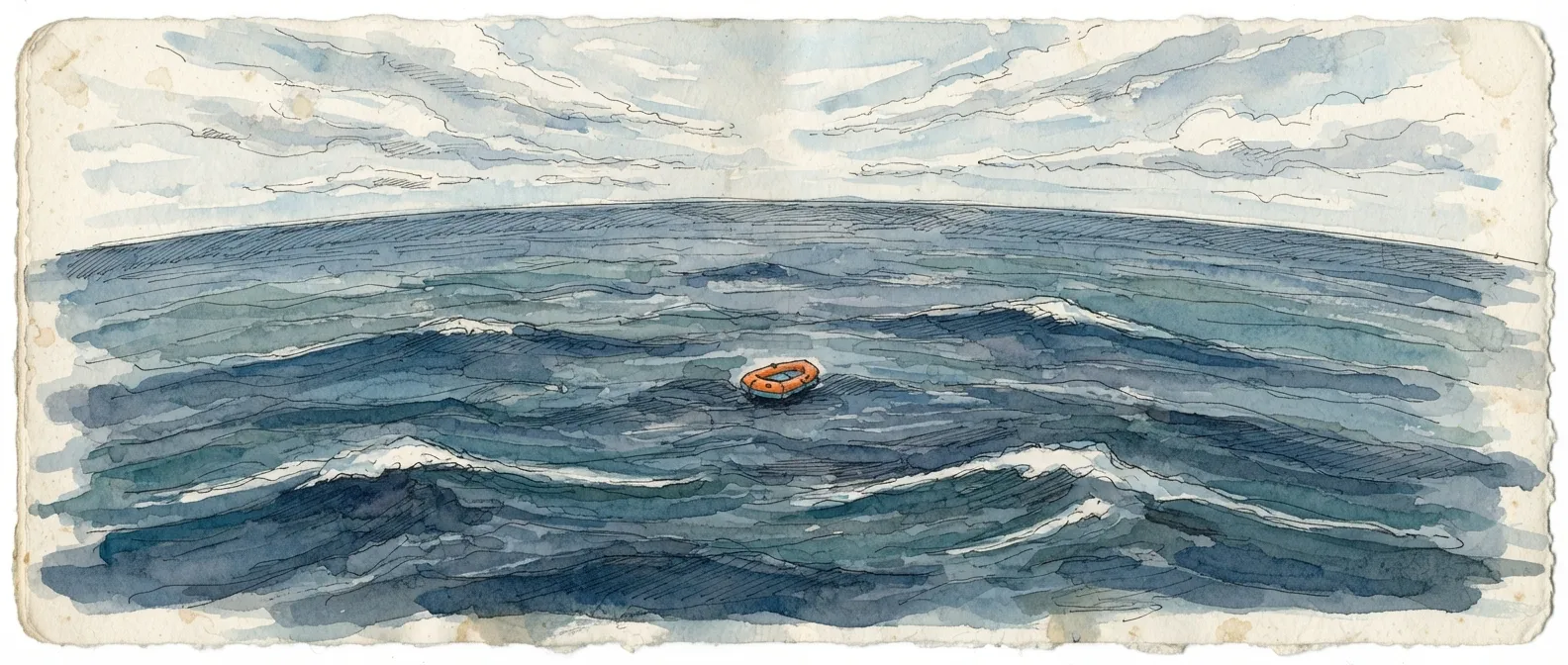
Steven Callahan: 76 days adrift on a raft
A crash in the night, a sailboat sinking in a matter of minutes, and 76 days on a tiny raft reinventing survival.