Hugh Glass: Mauled by a Grizzly, Left for Dead, 200 Miles Back
Left for dead by his companions after a grizzly sow mauled him, a 40-year-old trapper crawled and limped for six weeks to the nearest fort.
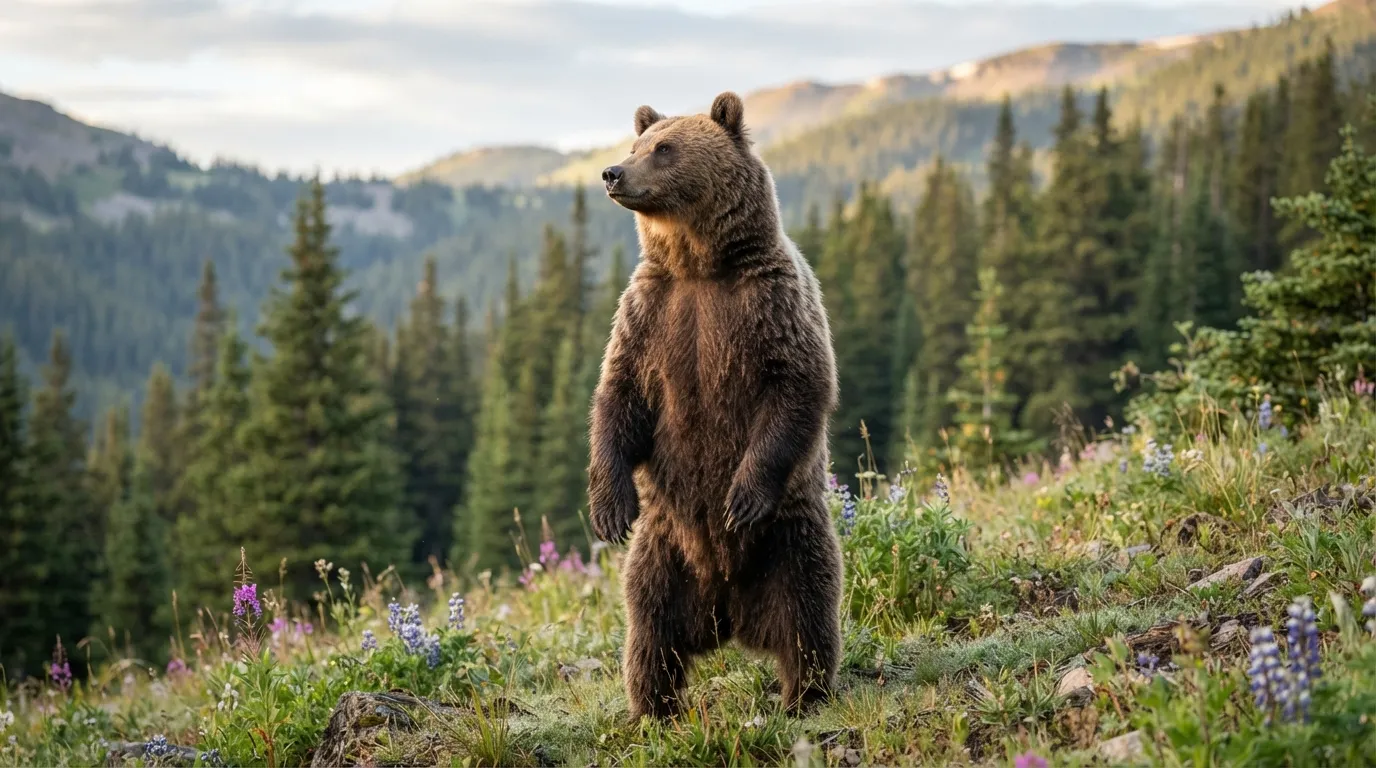
Late August 1823, somewhere near the forks of the Grand River in what is now South Dakota. Hugh Glass is scouting ahead of Andrew Henry’s small party, looking for game. He doesn’t see the bear until he is on top of her: a grizzly sow with two cubs. She charges, knocks him down, bites him and claws him to the ribs. By the time his companions reach him and kill the animal, Glass is still alive, but no one in the party expects him to last the night.
What happened
Hugh Glass, born around 1783 in Pennsylvania, was about forty when he joined William Henry Ashley’s fur-trading expedition in 1823. Ashley had recruited roughly a hundred men through a newspaper ad in the Missouri Gazette. In June, Arikara warriors attacked the party on the Missouri River and Glass took a bullet in the leg. The men fell back to Fort Kiowa, then Ashley’s partner Andrew Henry led a small group overland toward the Yellowstone River. Glass went with them.
The attack happened on that route, near today’s Shadehill Reservoir in Perkins County. The party could not carry a dying man through hostile country. Henry asked for two volunteers to stay with Glass until he died and bury him, for a bonus: John S. Fitzgerald and a young man named “Bridges”, traditionally identified as Jim Bridger, the future famous mountain man (several historians dispute this). After a few days, the two left. They took Glass’s rifle, knife and gear, and told the others he was dead.
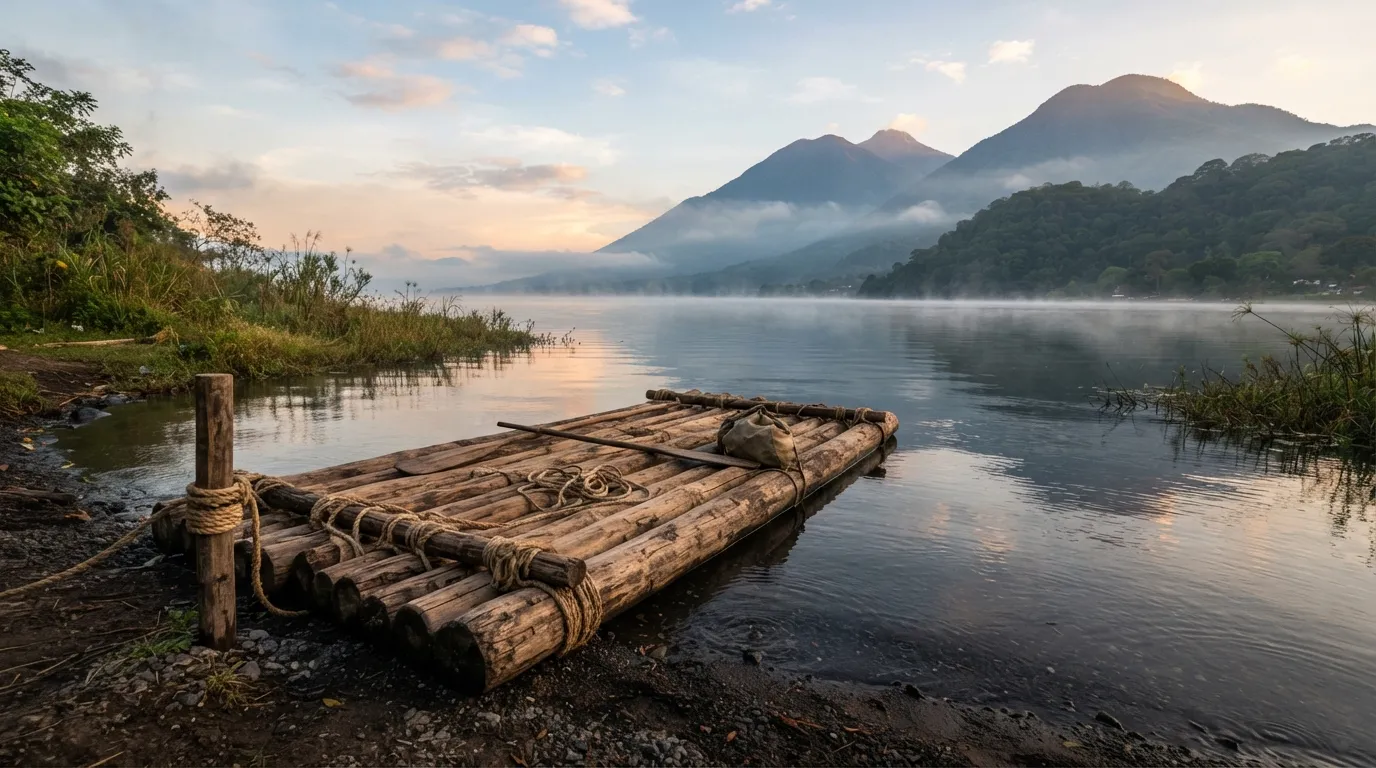
Glass came to alone. He had a broken leg, an open back, festering wounds and no weapon. According to the accounts, he set his own leg as best he could and started dragging himself. The nearest post, Fort Kiowa, lay about 200 miles (320 km) to the southeast on the Missouri. He fixed on a landmark visible from far away, Thunder Butte, and crawled south toward the Cheyenne River, living mostly on berries and roots. Once he reached the river, he built a crude raft and let the current carry him toward the Missouri. It took him about six weeks to reach the fort.
Once recovered, Glass went back upriver to find the men who had abandoned him. He found “Bridges” at Henry’s fort on the Yellowstone and forgave him because of his youth. He later found Fitzgerald, who had since joined the army at Fort Atkinson. Killing a soldier would have meant the gallows, so Glass took back his rifle and, according to George C. Yount’s account published much later, $300 in compensation. He went back to trapping for nearly ten years and was killed in early 1833 in an Arikara attack on the Yellowstone, near present-day Williston, North Dakota.
What he did right
The most remarkable part of Glass’s story isn’t endurance, it’s the choice of direction. A lone injured person tends to head back where they came from, or toward the group they just lost. Glass picked a reachable goal (a fort he knew), a landmark visible from miles away (Thunder Butte), and above all a river to follow. A river gives water, food along its banks, and transport that costs nothing to a man who can barely walk. The raft probably gained him more ground than all his days of crawling.
Second, he ate whatever he found and didn’t hold out for better. Berries and roots offer few calories, but they spare the energy of hunting without a weapon. Period accounts also say he drove wolves off a bison calf carcass to feed on it; plausible, but unverifiable.
What saved him
Precise knowledge of the terrain
Glass knew where Fort Kiowa was: he had left it a few weeks earlier. Without that mental map, the same willpower would have had him going in circles. See the navigation guide.
The river as a road
From the Cheyenne to the Missouri, the current did part of the work for him. It’s the same logic that saved Juliane Koepcke in the Amazon: following water downstream almost always leads to people. See the river guide and Juliane Koepcke’s story.
Frontier toughness
Glass had already survived a bullet in the leg a few months earlier. Trappers in 1823 lived with pain, cold and hunger as a matter of course. That isn’t a technique, but it explains why he didn’t give up in the first, most dangerous days.
Luck with infection
Claw and bite wounds from a bear, left untreated, very often become infected. That Glass survived six weeks without antibiotics owes a great deal to luck. His story is not a model of wound care; it is an exception.
Key takeaways
1. A sow with cubs is the most dangerous bear encounter. Glass surprised her at close range, the worst possible setup. Making noise as you walk in bear country, avoiding dense berry thickets and carrying bear spray all cut that risk. See the predators guide.
2. A group that leaves an injured person behind rarely does it out of cruelty. Fitzgerald and Bridger feared the Arikara and thought Glass was doomed. The lesson for a group: leave the injured person the means to defend and feed themselves, and note exactly where you left them.
3. A river is a path. For someone who can no longer walk, a raft or a floating log on a calm river turns an impossible distance into a doable one. Watch out for rapids and cold water.
Frequently asked questions
Is The Revenant a true story?
Partly. Hugh Glass really was mauled by a grizzly in 1823, abandoned and robbed by two companions, and made it alone to Fort Kiowa, about 200 miles away. Glass’s son, his murder by Fitzgerald and the final revenge are inventions of the film.
How far did Hugh Glass crawl?
About 200 miles (320 km) to Fort Kiowa on the Missouri River, over roughly six weeks. He first crawled south to the Cheyenne River, then floated downstream on a makeshift raft.
Did Hugh Glass get revenge on the men who left him?
No. He forgave young “Bridges” (possibly Jim Bridger) and spared Fitzgerald, who had become a soldier, after getting his rifle back. The murderous revenge exists only in fiction.
How did Hugh Glass die?
He was killed in early 1833 in an Arikara attack on the Yellowstone River, along with two other trappers, Edward Rose and Hilain Menard. He was about 50.
Where did the bear attack happen?
Near the forks of the Grand River, close to today’s Shadehill Reservoir in Perkins County, South Dakota. A monument marks the site, and a life-size sculpture by John Lopez stands at the Grand River Museum in Lemmon.
Further reading
- Jon T. Coleman, Here Lies Hugh Glass (2012): a historian’s investigation into the legend.
- Michael Punke, The Revenant (2002): the novel behind the film.
- Frederick Manfred, Lord Grizzly (1954): the classic American novel about Glass.
- Man in the Wilderness (1971) and The Revenant (2015), two films loosely based on the story.
Sources for this module (5)
- Wikipedia (EN) — Hugh Glass
- History.com — Hugh Glass is mauled by a grizzly bear
- South Dakota Historical Society Foundation — The legendary Hugh Glass and Jim Bridger
- Jon T. Coleman, Here Lies Hugh Glass (Hill and Wang, 2012)
- The Port Folio, Philadelphia, 1825 (first published account, attributed to James Hall)
Continue in "Survivor stories"
Aron Ralston: 127 hours trapped in a canyon
An arm trapped under a boulder, five days without rescue, and a decision no manual teaches: cutting oneself to live.
Juliane Koepcke: 11 Days Alone in the Jungle After the Crash
Seventeen years old, alone after falling three kilometers into the Amazon jungle, she followed a single rule: walk toward water.
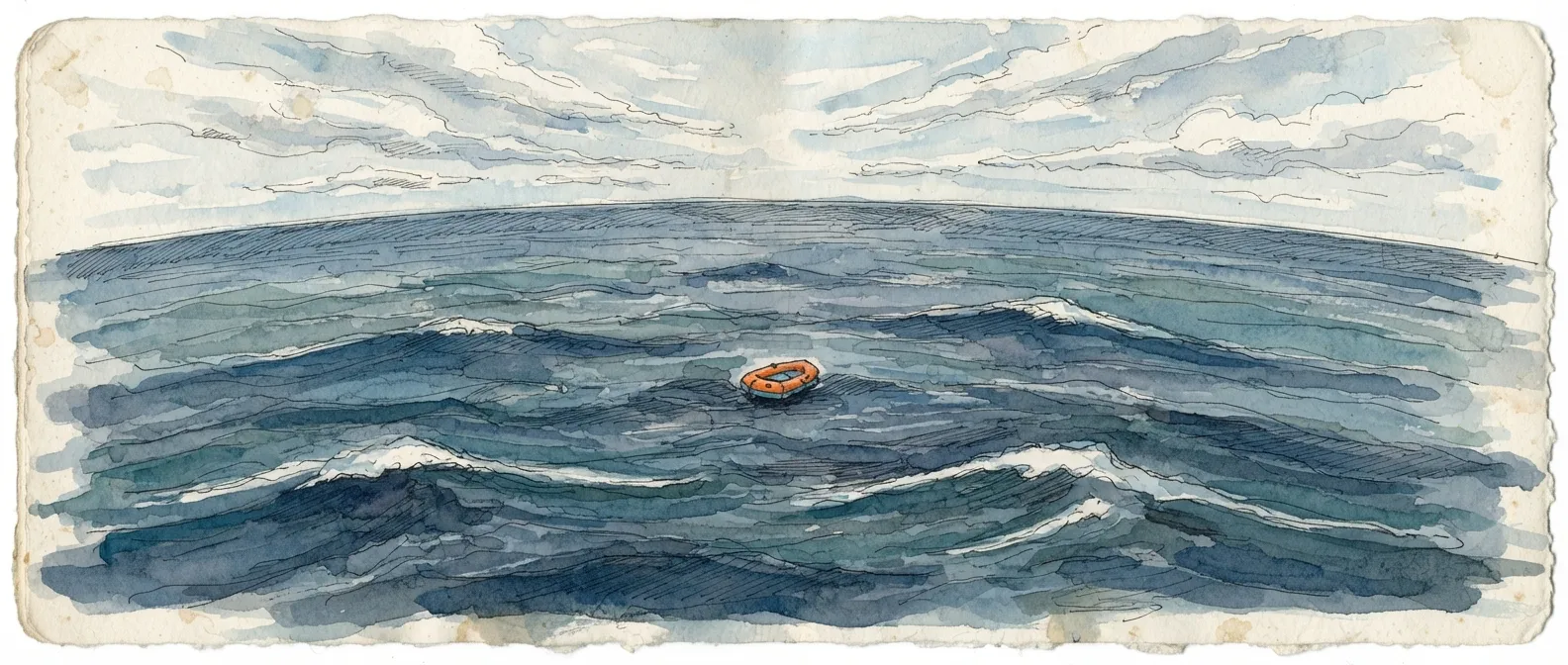
Steven Callahan: 76 days adrift on a raft
A crash in the night, a sailboat sinking in a matter of minutes, and 76 days on a tiny raft reinventing survival.